
The ingredient library
Ginseng
A root whose name holds many distinctions. Explore Asian ginseng through cultivation, preparation and the information behind a finished product.
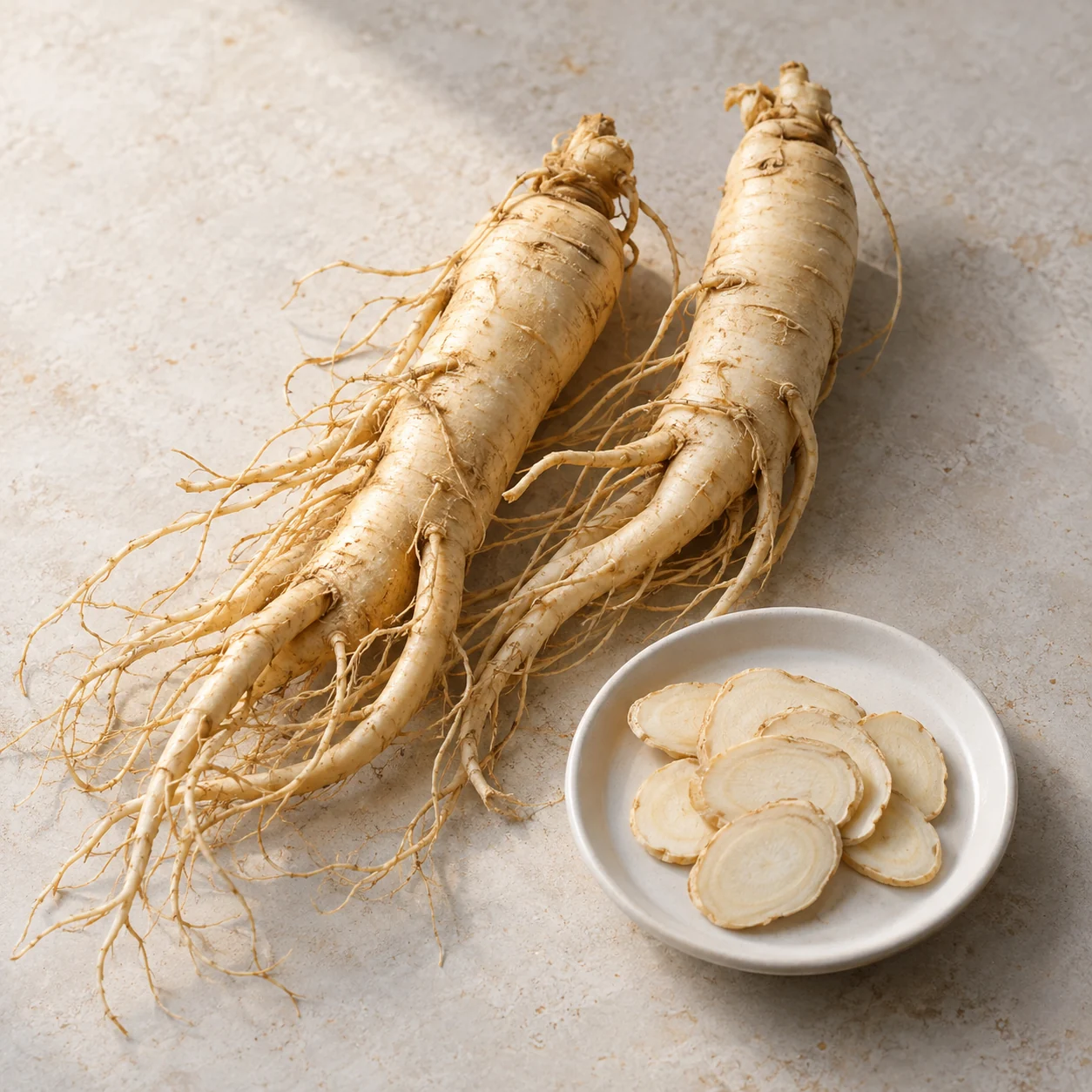
One name deserves a closer look.
This page focuses on Asian ginseng, Panax ginseng. The terms fresh, dried and red describe different preparations, while garden and forest cultivation describe growing methods. Keeping those ideas separate makes a product easier to understand. A Changbai origin story should be supported by its own records, including evidence for any stated age.
Find your format.
Fresh root
A harvested root that has not undergone the drying or steaming described below. Follow the seller's storage and handling guidance for the actual product.
Dried root or slices
Cleaned roots may be dried and sold whole or in pieces. Check the preparation and plant identity rather than judging only by the root's shape.
Red ginseng
Red ginseng undergoes steaming and drying. A red ginseng extract or blend has additional formulation details to read; it is not interchangeable with an intact root.
A place to start.
Separate identity from format
Find Panax ginseng on the label, then identify the preparation. Note whether you have a root, slices, extract or mixed product.
Follow the finished label
Read the intended use and directions for that exact product. This page does not give a personal dose or recommend a daily ginseng routine.
Retain the product details
Keep the batch, producer and storage information together. Fresh root and a sealed dried preparation need different handling.
Choose with the whole product in view.
Ginseng can interact with medicines, and insomnia is a reported side effect. If you take medication or are considering a herbal product for a health concern, discuss the particular product with your healthcare professional.
What to look for.
Ask about cultivation
Look for a stated growing method with supporting information. A forest image does not prove a root was wild or establish how it was cultivated.
Check claims about age
Request the records behind an age claim. This guide and its illustrations cannot authenticate a root or estimate its age.
Identify the producer
A named producer and traceable batch make origin and processing questions answerable. Keep those details with the product after opening.
A place behind the ingredient.
Follow the regional tradition in the World Atlas. This association describes cultural context, not the provenance of every product with this ingredient.
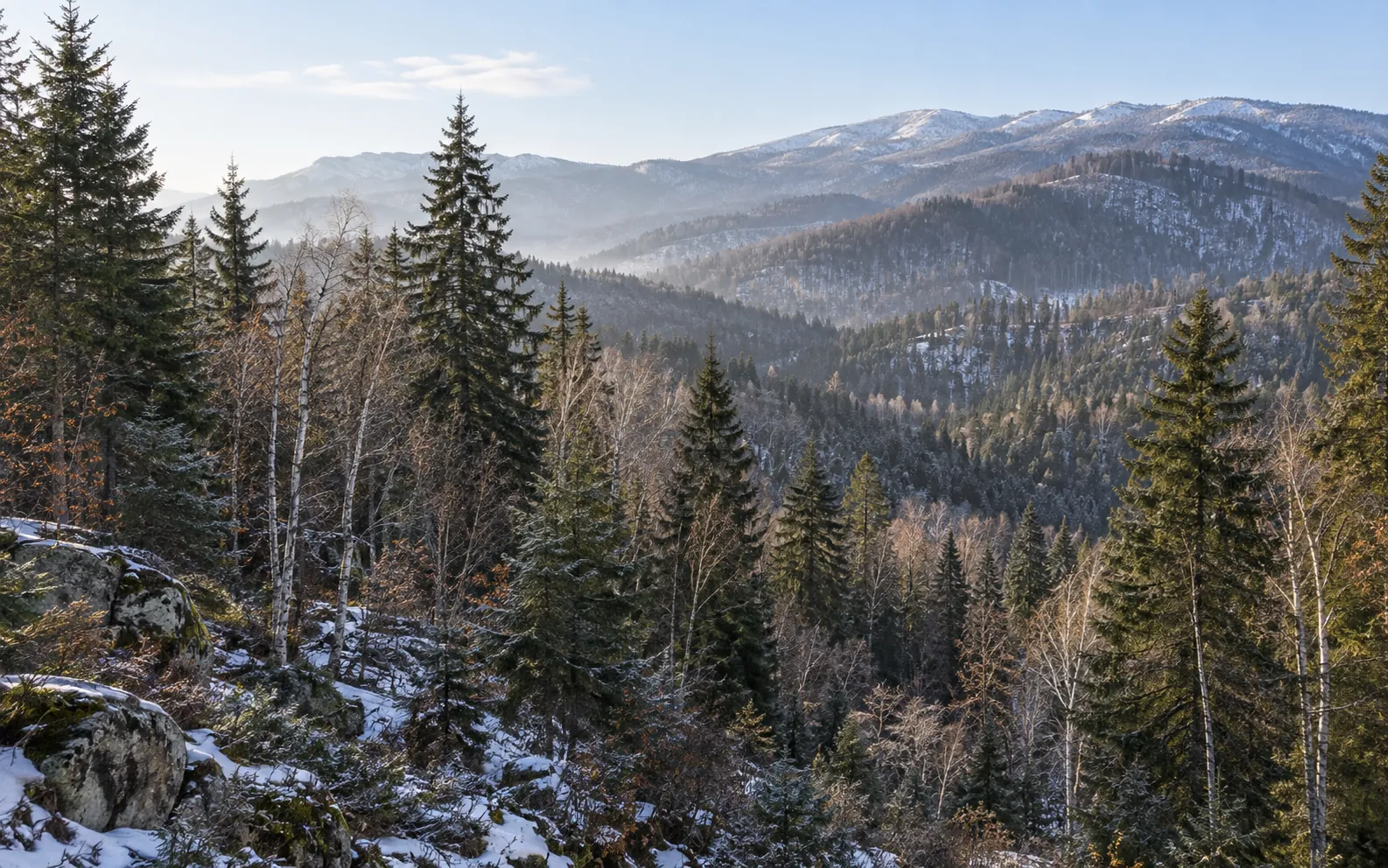
Jilin, Northeast China
Changbai Mountains
Ginseng
Forests, seasons and a storied root.
Explore products with ginseng.
Read the full ingredients and preparation details on each product.
There are no products in this selection right now. Keep exploring the guides or browse the full shop.
Browse the shop →Keep exploring.
Known as huangqi in Chinese herbal tradition. Begin with the pale root, then understand the preparation described on the pack.
Also known as lingzhi. A distinctive fungus with a long cultural presence, encountered today in several very different prepared forms.