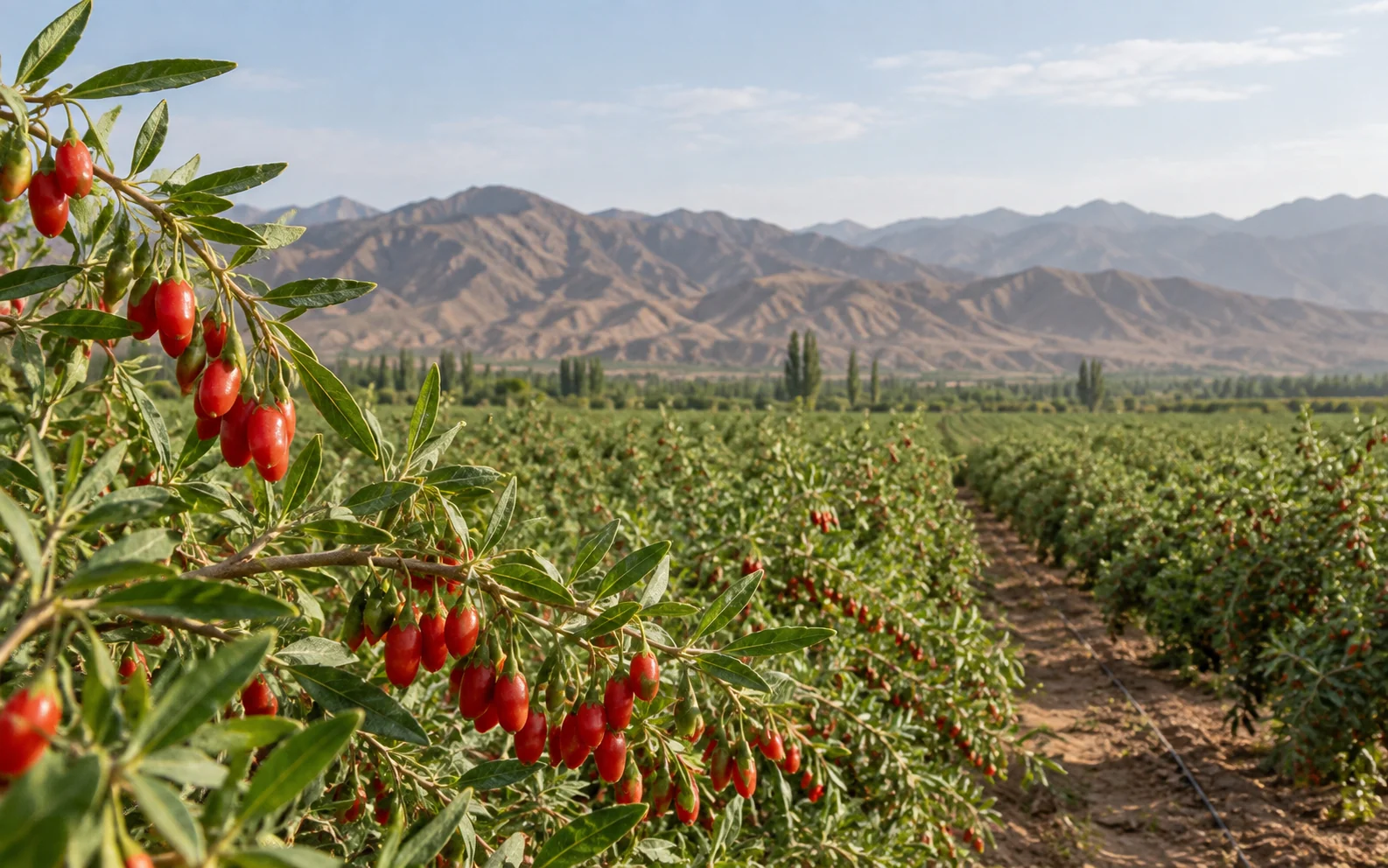
China / Jilin, Northeast China
Changbai Mountains
Forests, seasons and a storied root.
Mixed forests rise towards an alpine landscape in China's northeast. Explore ginseng through the region's growing traditions, then look closely at the details behind each finished root.
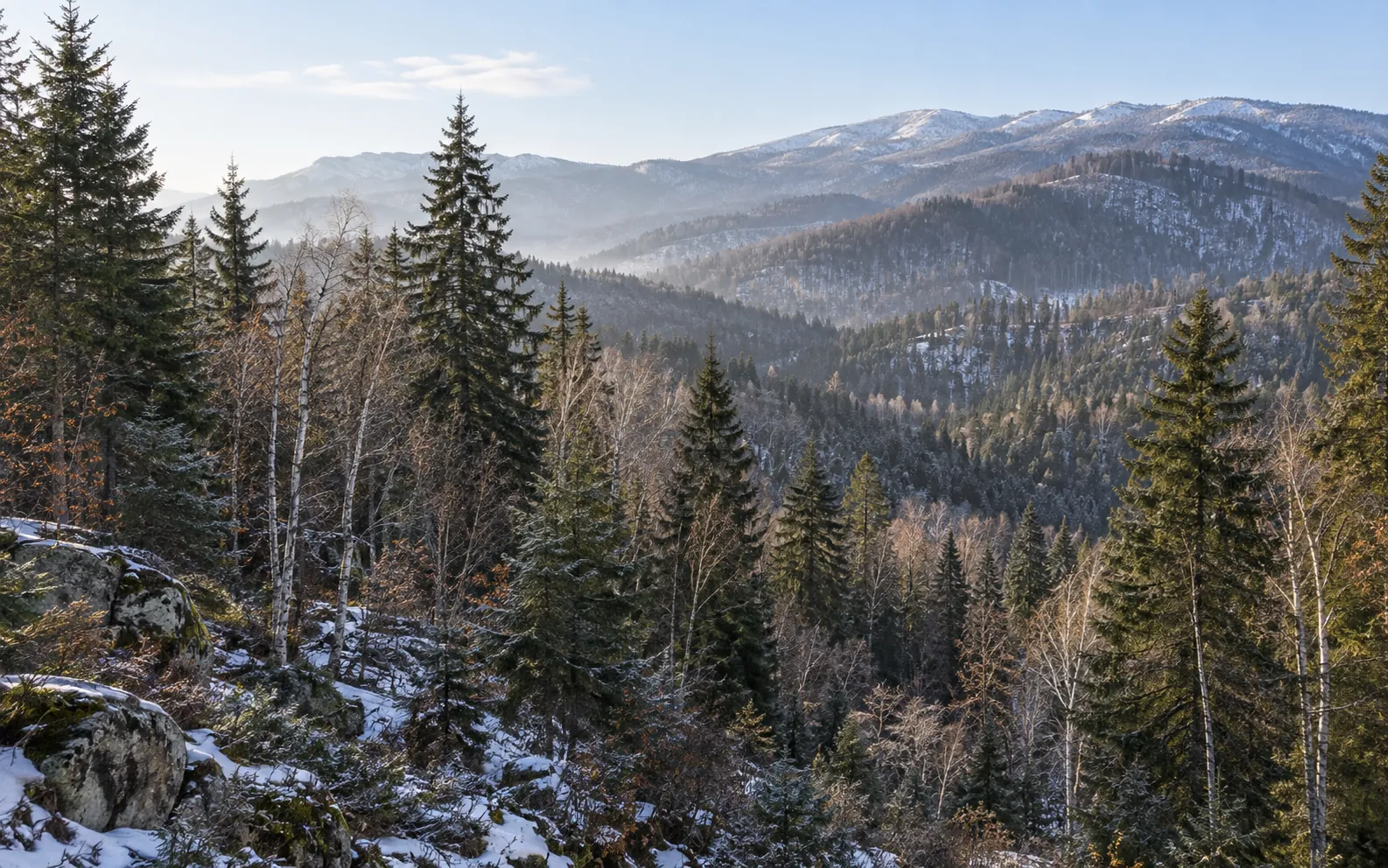
Atlas 03 / China · Landscape illustration
Place at a glance.
Region
Jilin, Northeast China
Landscape
Mixed forest and alpine uplands
Look for
Fresh, dried and red ginseng
The landscape
A forest story needs precise names.
Mixed forests give way to alpine vegetation as the Changbai landscape rises. UNESCO describes a meeting place for plant and animal life across northeastern Asia. The region's ginseng culture adds a human story to this layered mountain setting.
Jilin's account points to Fusong, within the wider Changbai region, as a centre of ginseng growing and culture. Fresh roots, dried roots and red ginseng show different ways the harvest is prepared and encountered.
Meet the ingredient.
Explore the ingredient and the regional context behind its name.
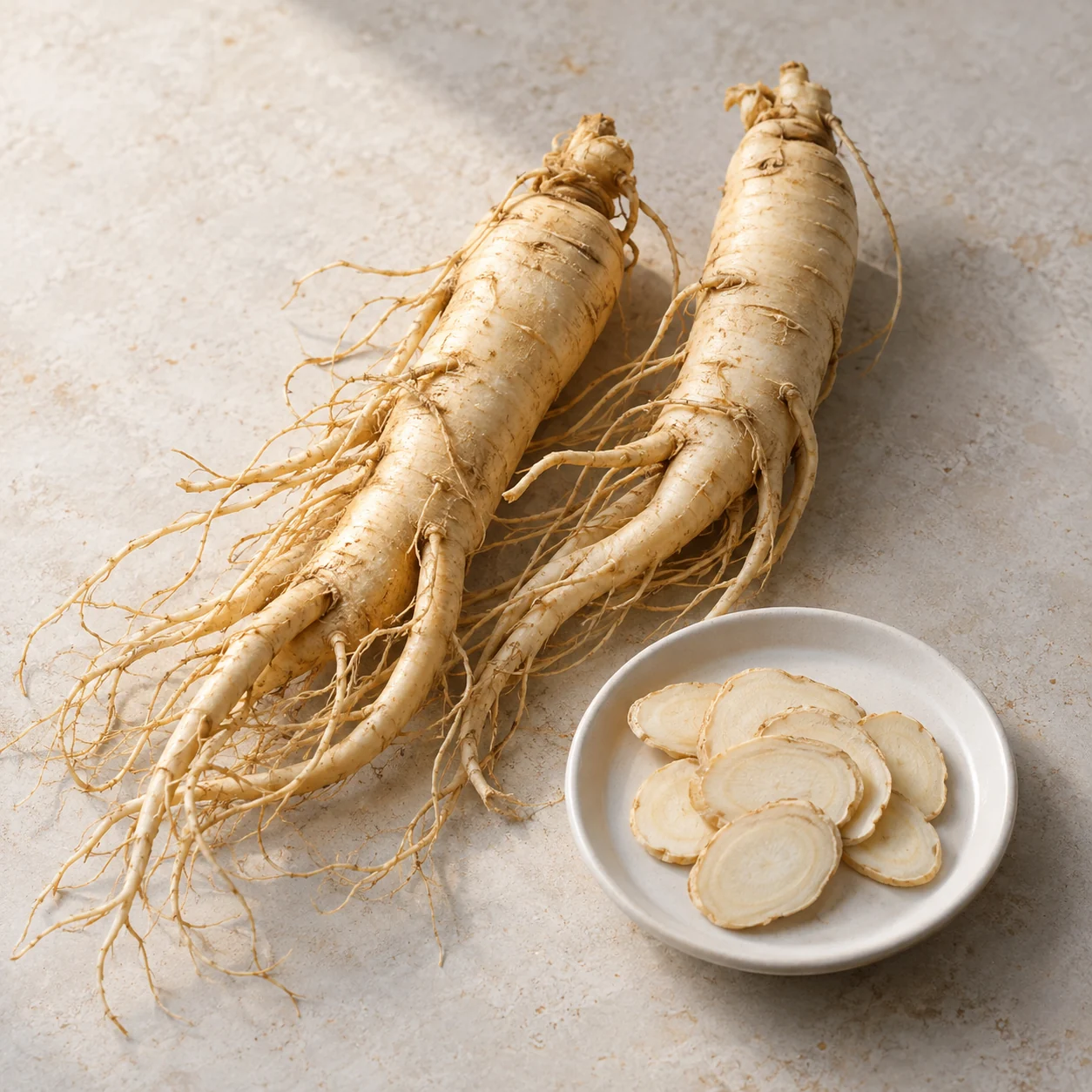
A root whose name holds many distinctions. Explore Asian ginseng through cultivation, preparation and the information behind a finished product.
Ways of making
One root, different finished forms.
Follow the difference between the growing story and the processing story.
01
Grow
Garden and forest cultivation describe different approaches to raising ginseng. The growing method is a part of the ingredient's story, separate from how it will later be prepared.
02
Harvest and clean
Freshly harvested roots are cleaned before further preparation. An intact root shows the main body, the branching roots and the finer strands around them.
03
Choose the preparation
Dried ginseng is made by drying cleaned fresh root. Red ginseng follows a steaming and drying process. These names describe preparation, rather than separate places.
04
Finish the format
The prepared root may be kept whole or cut into pieces. Extracts and blends take it through further processing, creating different finished forms from the original harvest.
In everyday culture
Stories carried through the forest.
Jilin's cultural account describes fangshan, the traditional search for ginseng, as a group practice led by an experienced head gatherer. Calls and responses mark a discovery. These customs reveal a shared vocabulary built around the forest and the root.
Ginseng also appears in local storytelling, where the branching root is given a character of its own. Reading those stories as folklore lets us appreciate their imagination and their place in regional memory.
The people behind the place.
We have not yet published a verified Changbai grower profile. This chapter introduces the place and its ingredient vocabulary. Any future product feature will need its own producer identity, cultivation details, harvest record and support for claims about age or origin.
From this origin.
Products and journal entries appear here when they are linked to this place. Read each product page for its specific sourcing details.
There are no products in this selection right now. Keep exploring the guides or browse the full shop.
Browse the shop →Sources & context.
This guide describes a region and its traditions. It does not verify the origin, certification or effects of any product. Landscape and ingredient images are AI-generated editorial illustrations.
Continue the journey / China