
The ingredient library
Astragalus
Known as huangqi in Chinese herbal tradition. Begin with the pale root, then understand the preparation described on the pack.
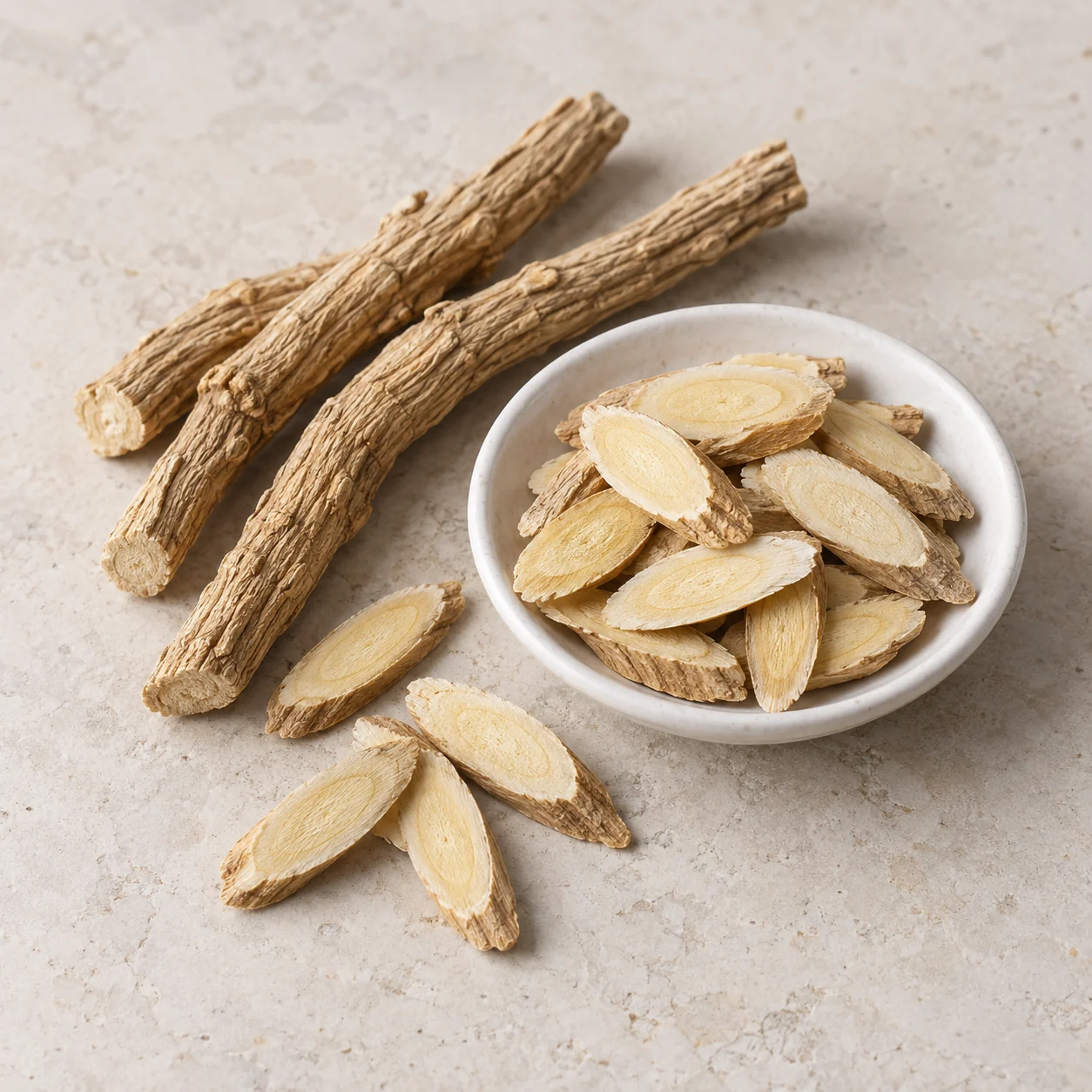
The root is only the beginning.
Huangqi refers to a root used in Chinese herbal practice, often alongside other ingredients. Whole roots, slices and extracts tell different preparation stories. Our Longxi guide explains one regional association; it does not make every astragalus product a Longxi product. Start with identity and format before deciding what a packet is intended for.
Find your format.
Dried root
The whole form makes the root visible, but appearance cannot establish its identity or origin on its own. Look for a labelled product from an identifiable producer.
Prepared slices
Cut pieces are a distinct finished format. Read how they have been prepared and the intended use; sliced does not automatically mean ready to eat.
Powder or extract
Check whether the product is ground root or an extract, and whether other ingredients are included. Different preparations do not share a universal serving instruction.
A place to start.
Read the identity
Find the plant name and the part used. Keep the original label so the description and batch remain with the product.
Check its intended use
Follow the finished product's instructions. This ingredient guide is about recognition and context, not a personal herbal prescription or dose.
Store by format
Use the storage and after-opening directions on the pack. Keep it sealed as directed and retain its use-by information.
Traditional context, carefully framed.
NCCIH describes insufficient reliable evidence to establish astragalus as useful for a health condition. If you take medicines, ask your healthcare professional before using an astragalus herbal product, because interactions can occur.
What to look for.
Choose a clear description
Look for the plant identity, root format and complete ingredient list. A familiar Chinese name should accompany information you can read and understand.
Ask what origin means
If Longxi is named, look for supporting growing and processing details. A supplier's location and a crop's location are different facts.
Value traceability
A producer, batch and usable contact details help you ask specific questions. A pale colour or large root is not proof of age, purity or origin.
A place behind the ingredient.
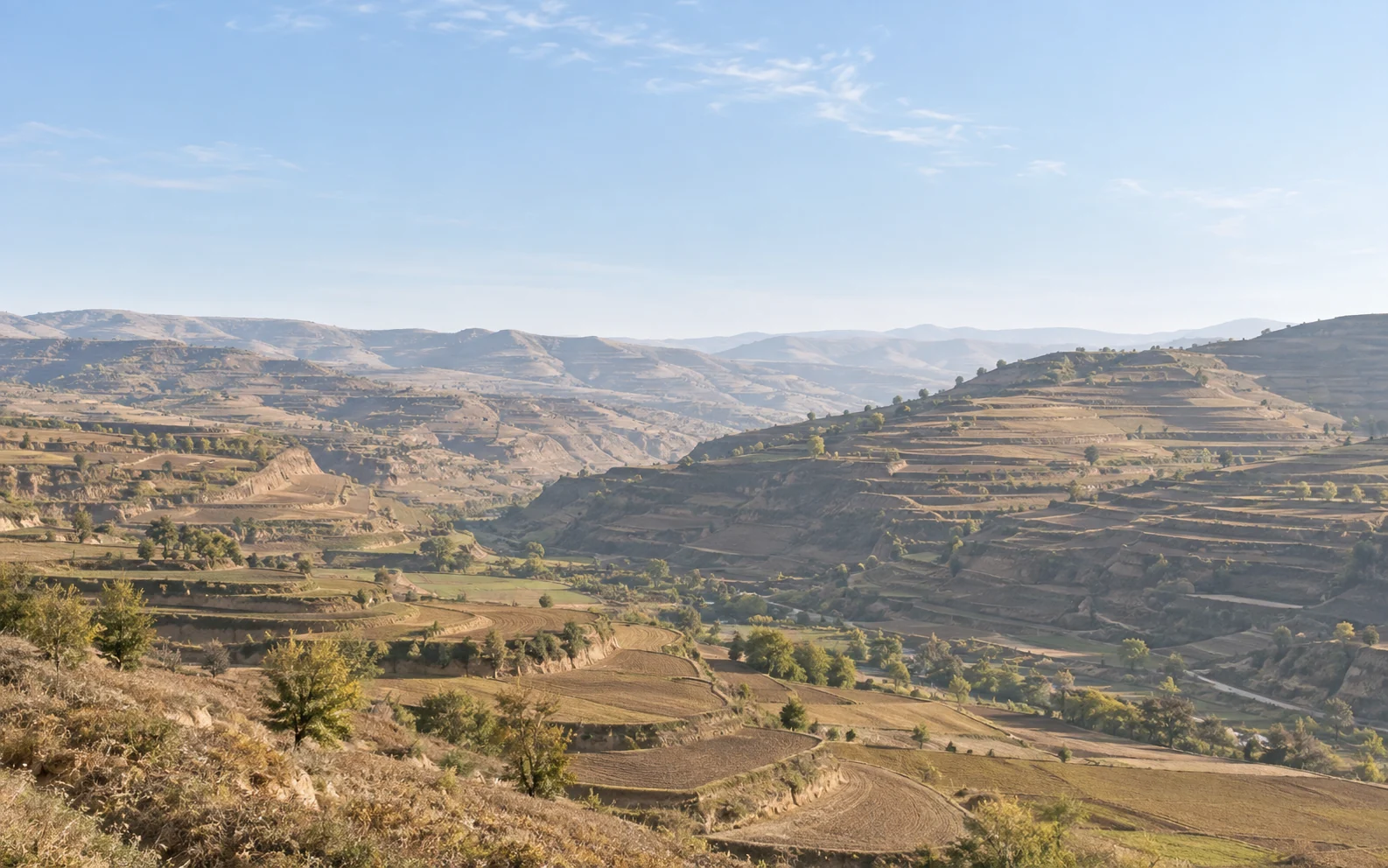
Follow the regional tradition in the World Atlas. This association describes cultural context, not the provenance of every product with this ingredient.
Explore products with astragalus.
Read the full ingredients and preparation details on each product.
There are no products in this selection right now. Keep exploring the guides or browse the full shop.
Browse the shop →Keep exploring.
A root whose name holds many distinctions. Explore Asian ginseng through cultivation, preparation and the information behind a finished product.
Small red berries with a familiar place in soups, drinks and pantry jars. Start with the fruit and the format you have.