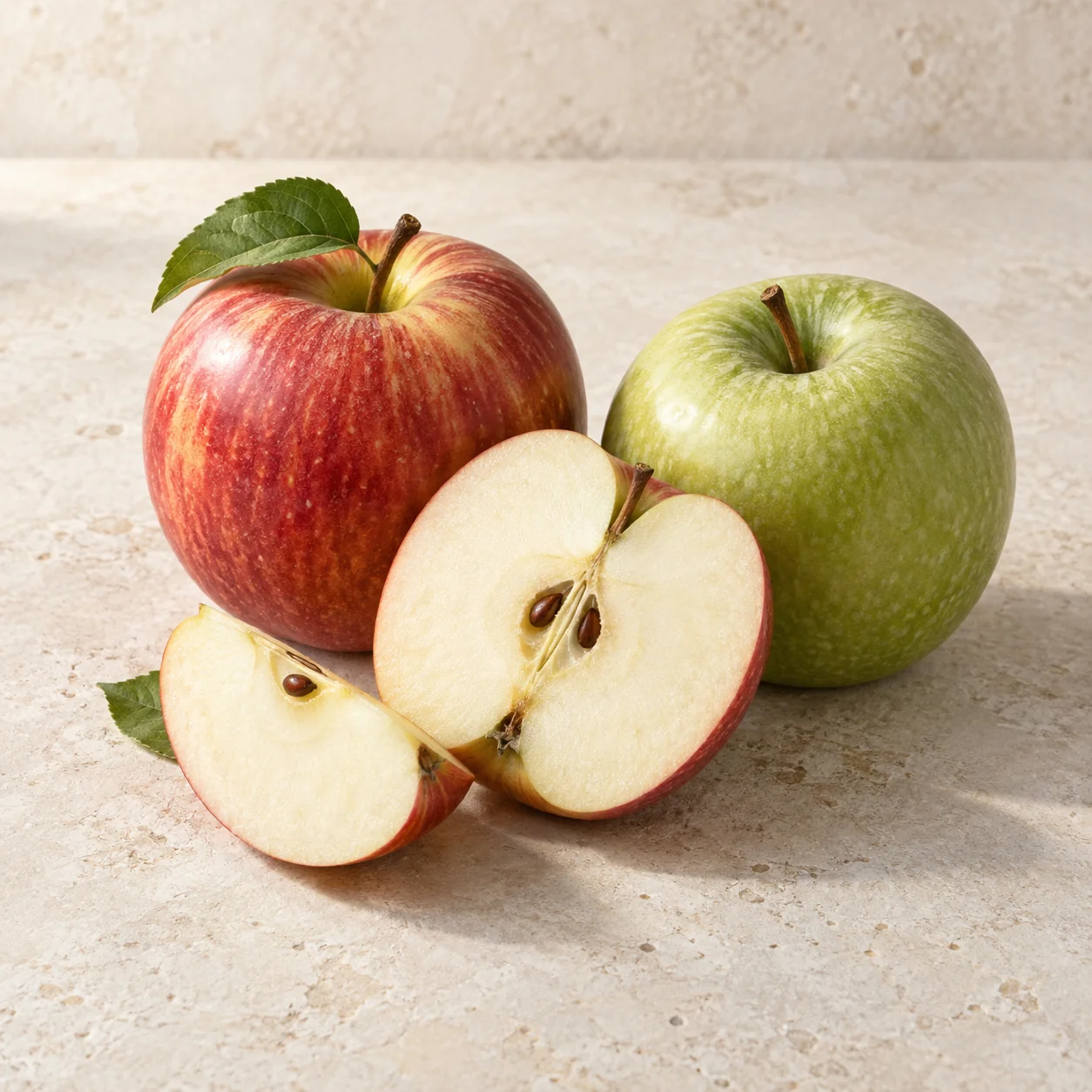
Apple
Crisp fruit, mellow sweetness and a bright finish. A familiar starting point for food and fruit blends.
Read the guide →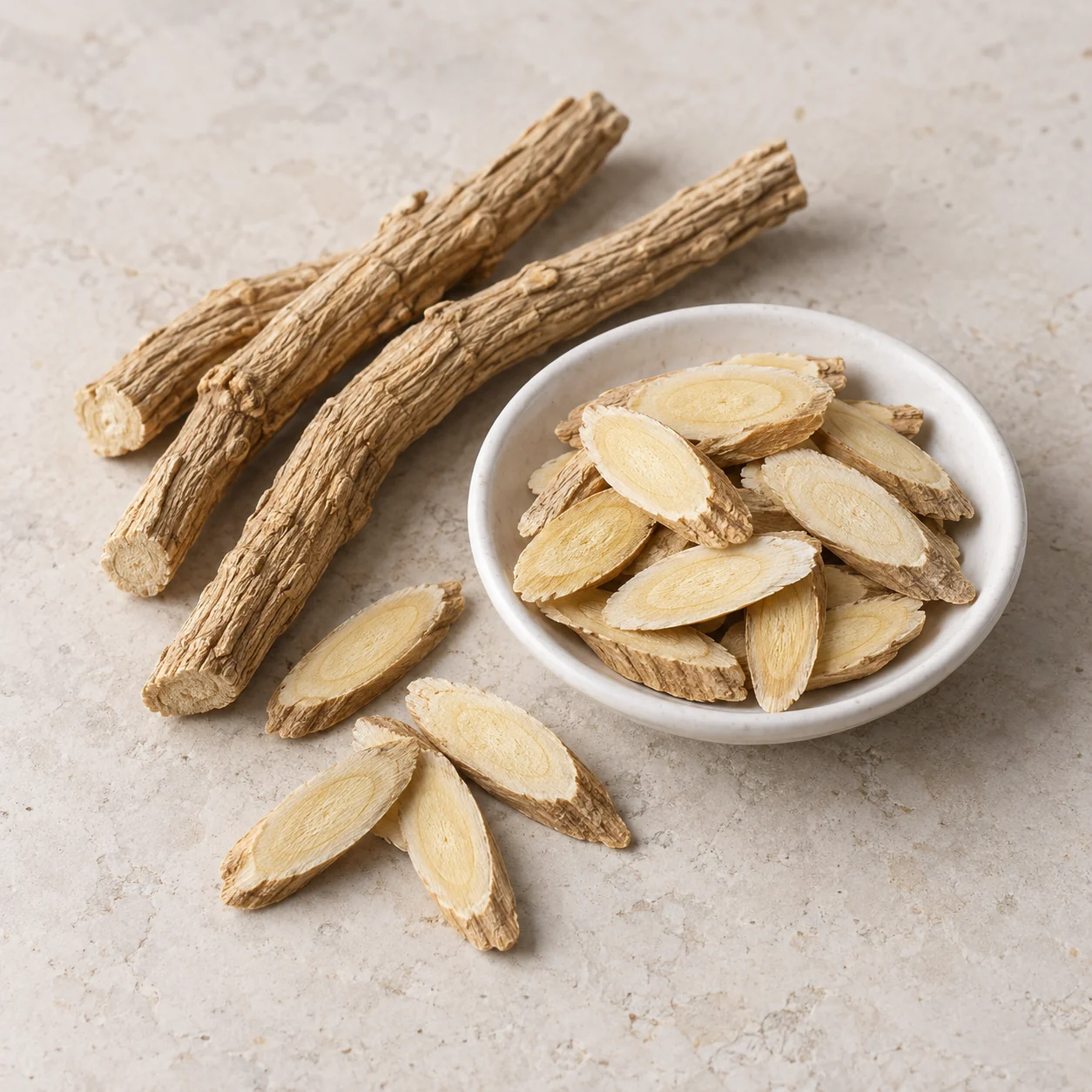
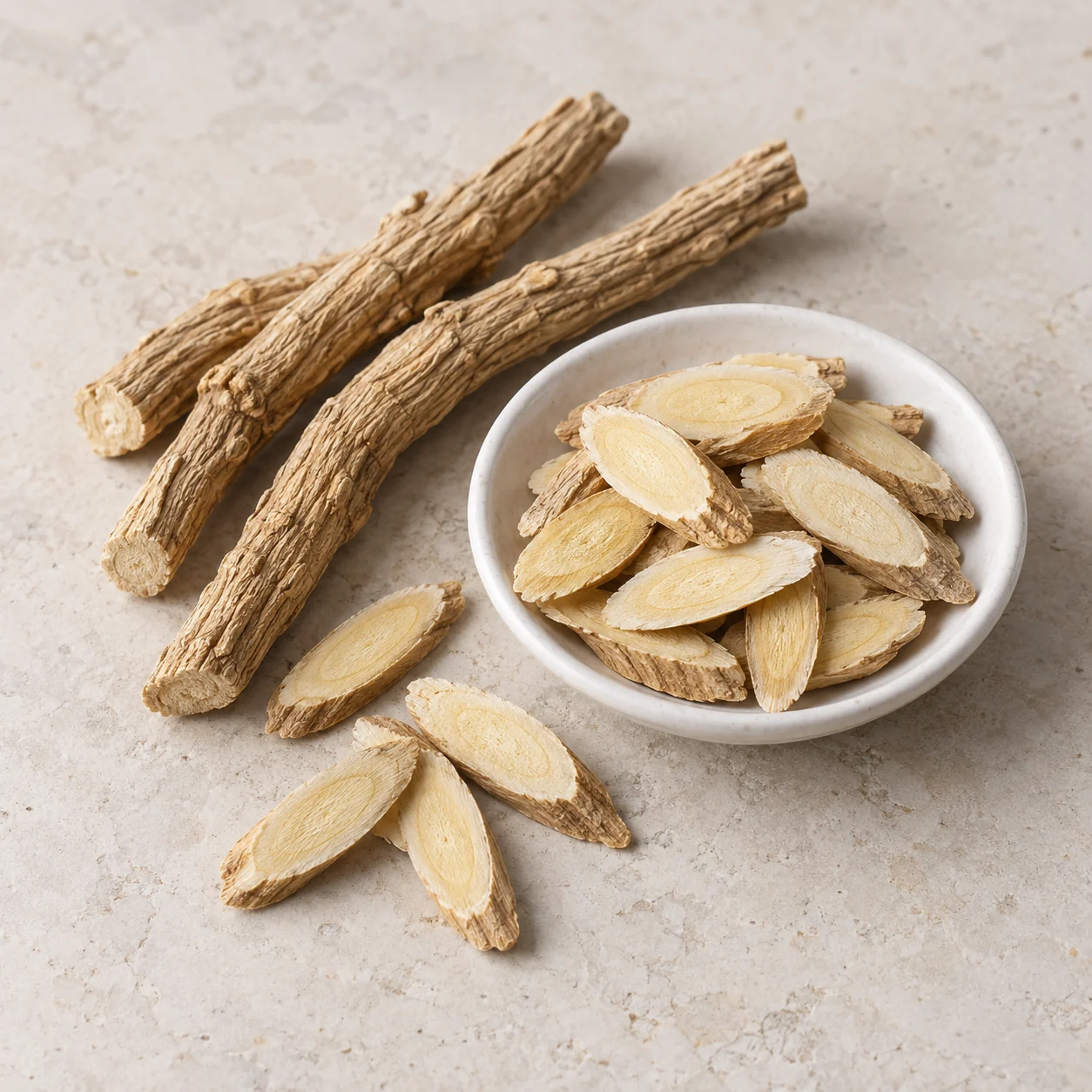
Astragalus
Known as huangqi in Chinese herbal tradition. Begin with the pale root, then understand the preparation described on the pack.
Read the guide →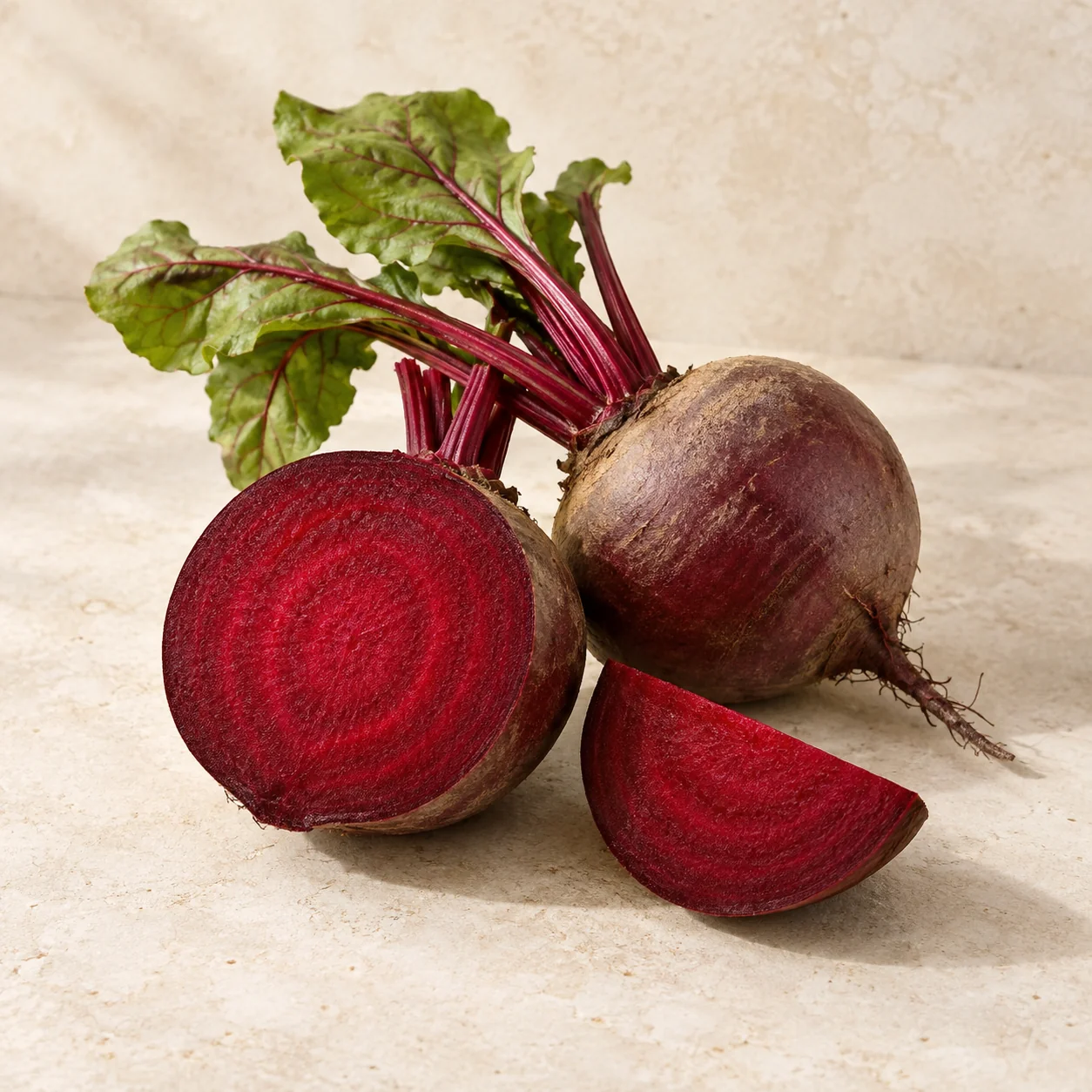
Beetroot
Earthy sweetness and a deep crimson colour. Explore red beetroot as a fresh root, a cooked ingredient or part of a prepared drink.
Read the guide →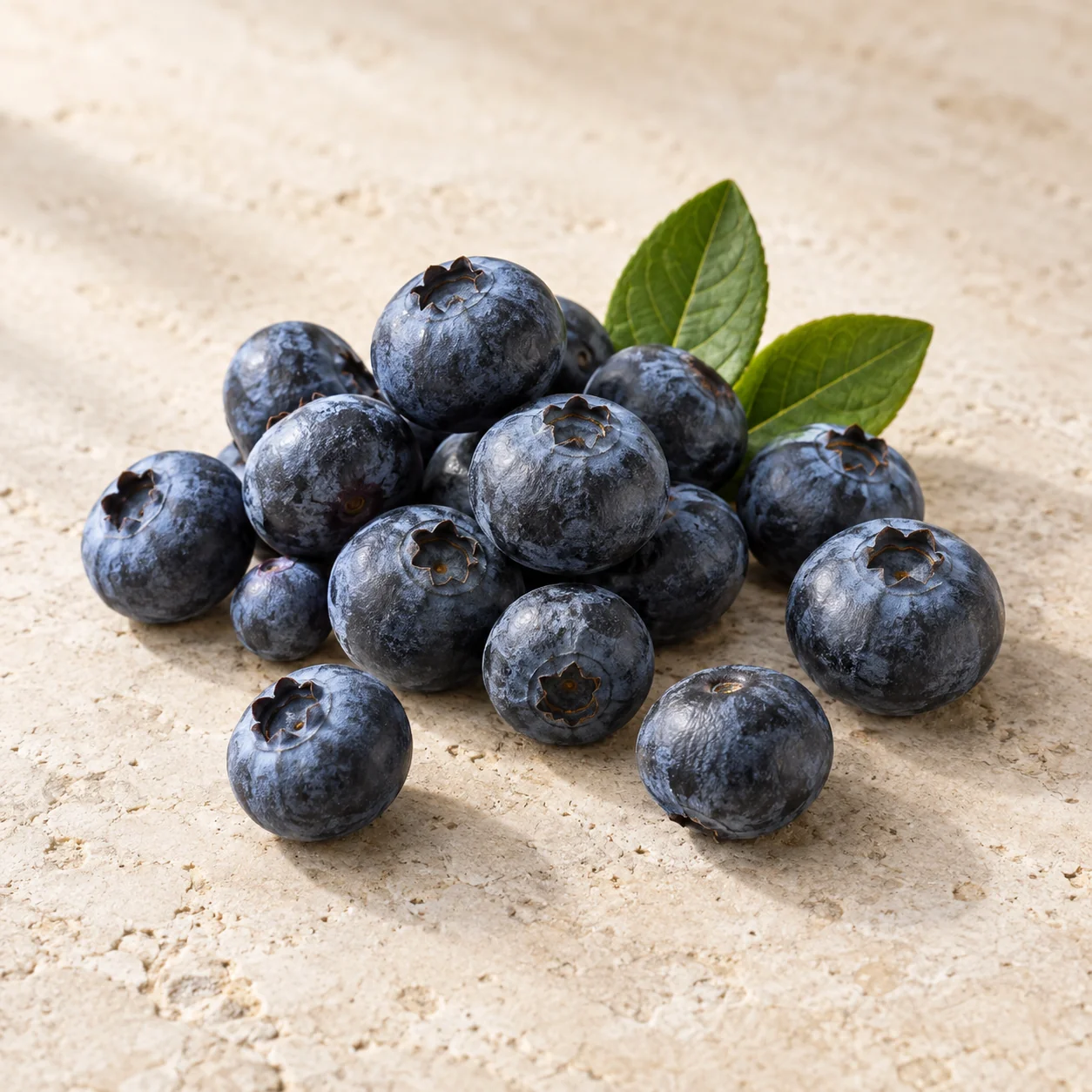
Blueberry
Small berries with a sweet-tart flavour. Enjoy their texture fresh, or explore the different character of cooked fruit and prepared blends.
Read the guide →
Chenpi
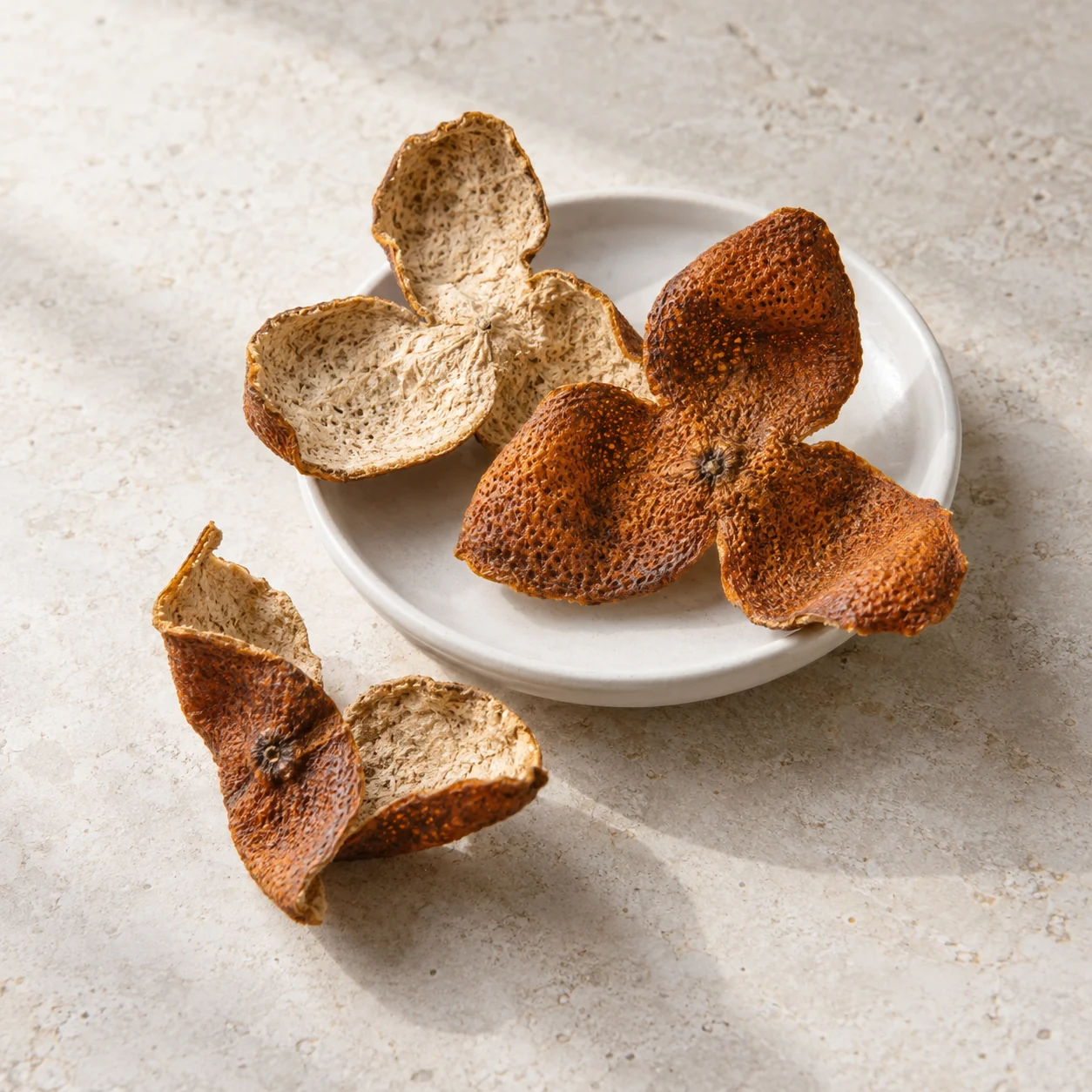
Dried citrus peel with a place in cooking and tradition. Explore the fruit, the preparation and the records behind an aging story.
Read the guide →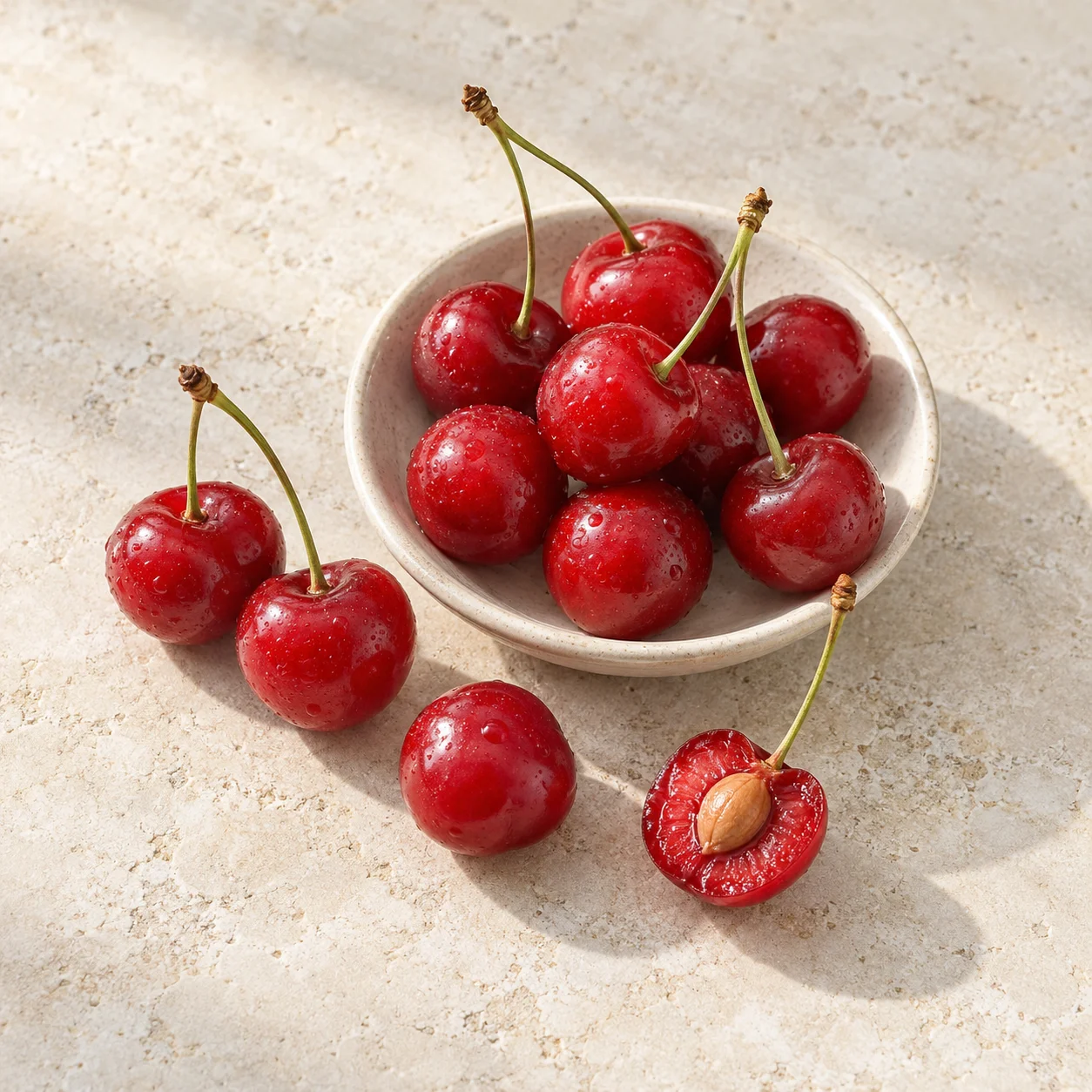
Cherry
Juicy stone fruit with flavours ranging from sweet to distinctly tart. Begin with the cherry type, then choose the preparation.
Read the guide →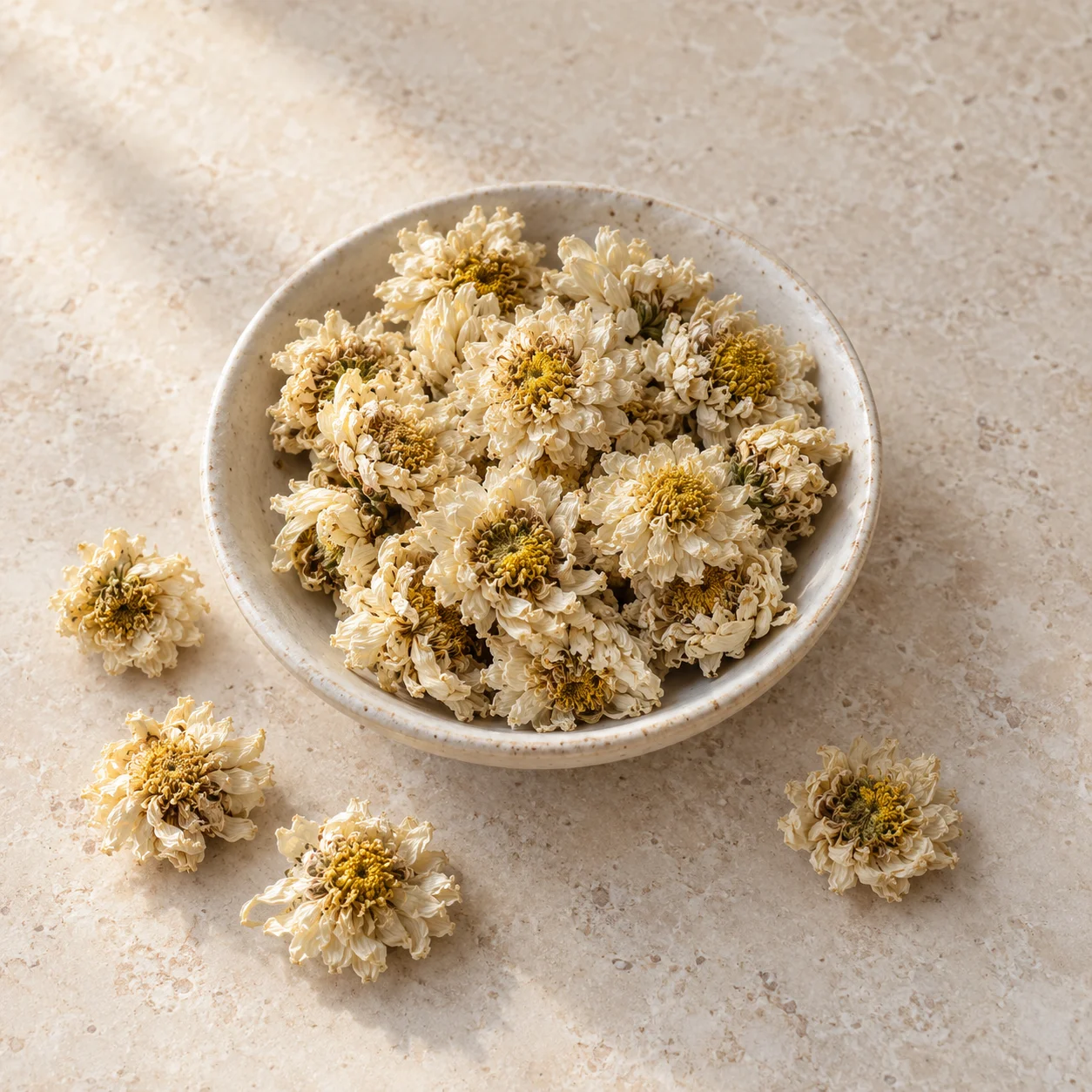
Chrysanthemum
Food-grade chrysanthemum flowers bring a floral detail to infusions and botanical blends. Choose the named culinary preparation.
Read the guide →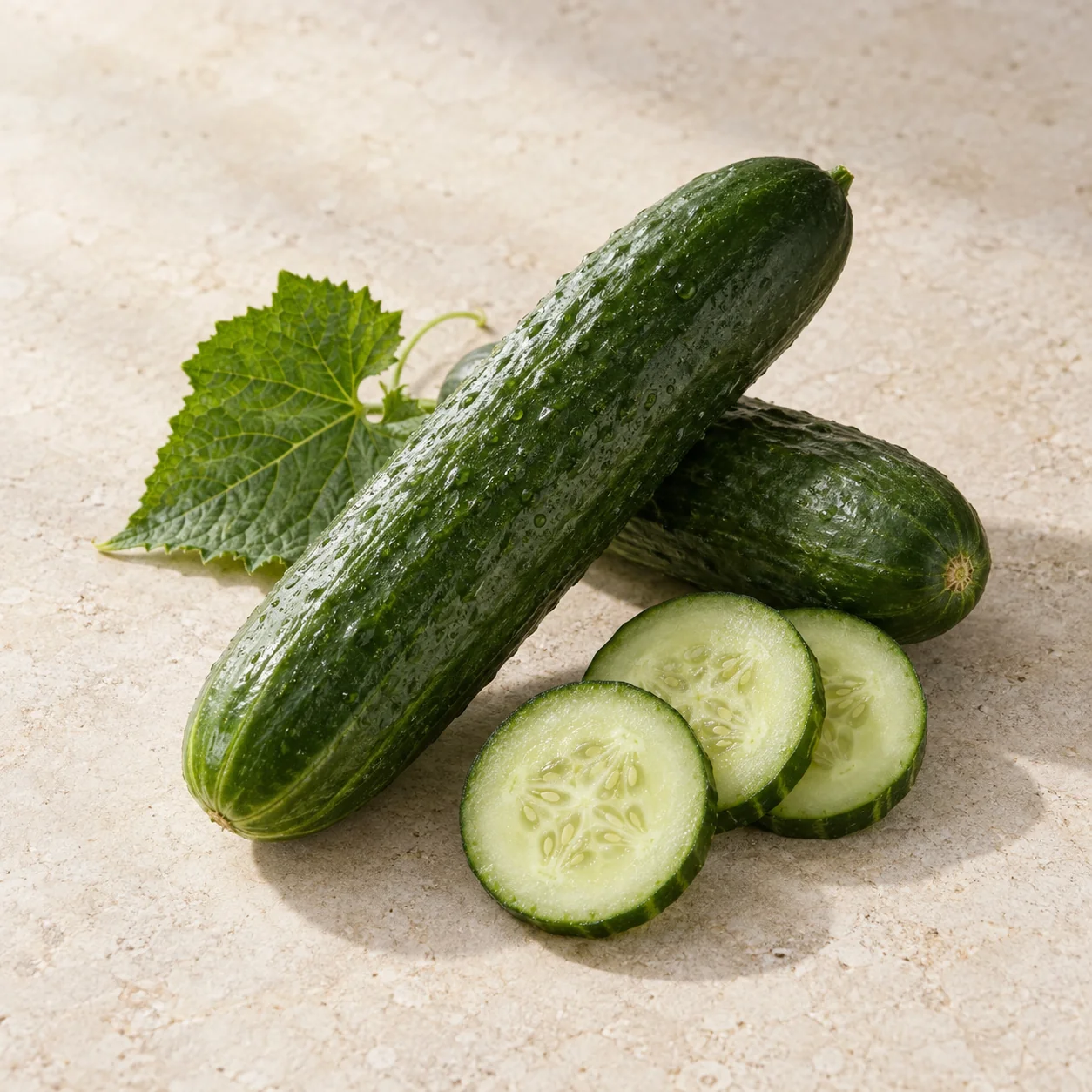
Cucumber
A crisp bite and a mild green flavour. Explore cucumber through fresh slices, simple salads and prepared drinks.
Read the guide →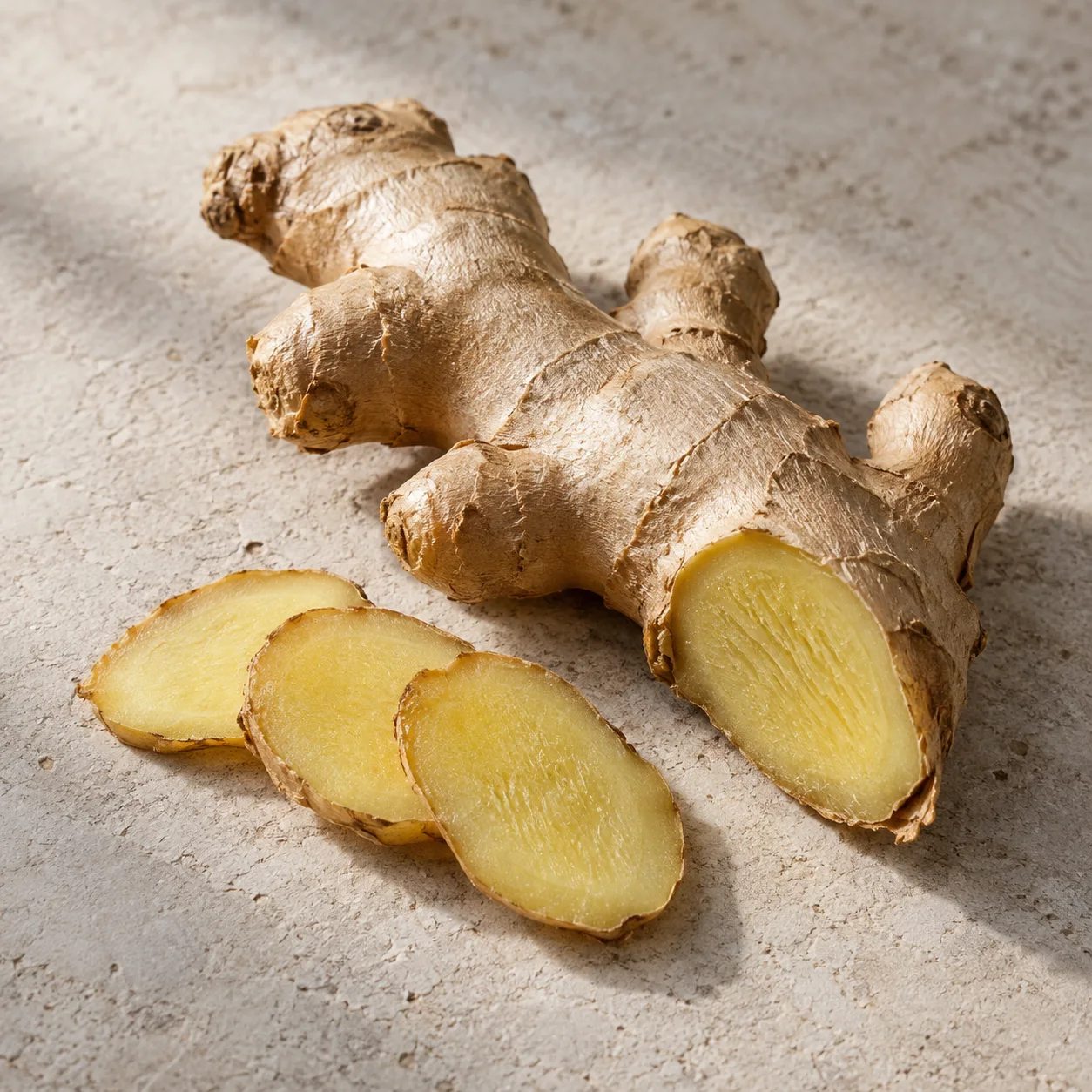
Ginger
Fresh ginger has a sharp aroma and a peppery finish. Dried ginger and ginger blends can taste quite different.
Read the guide →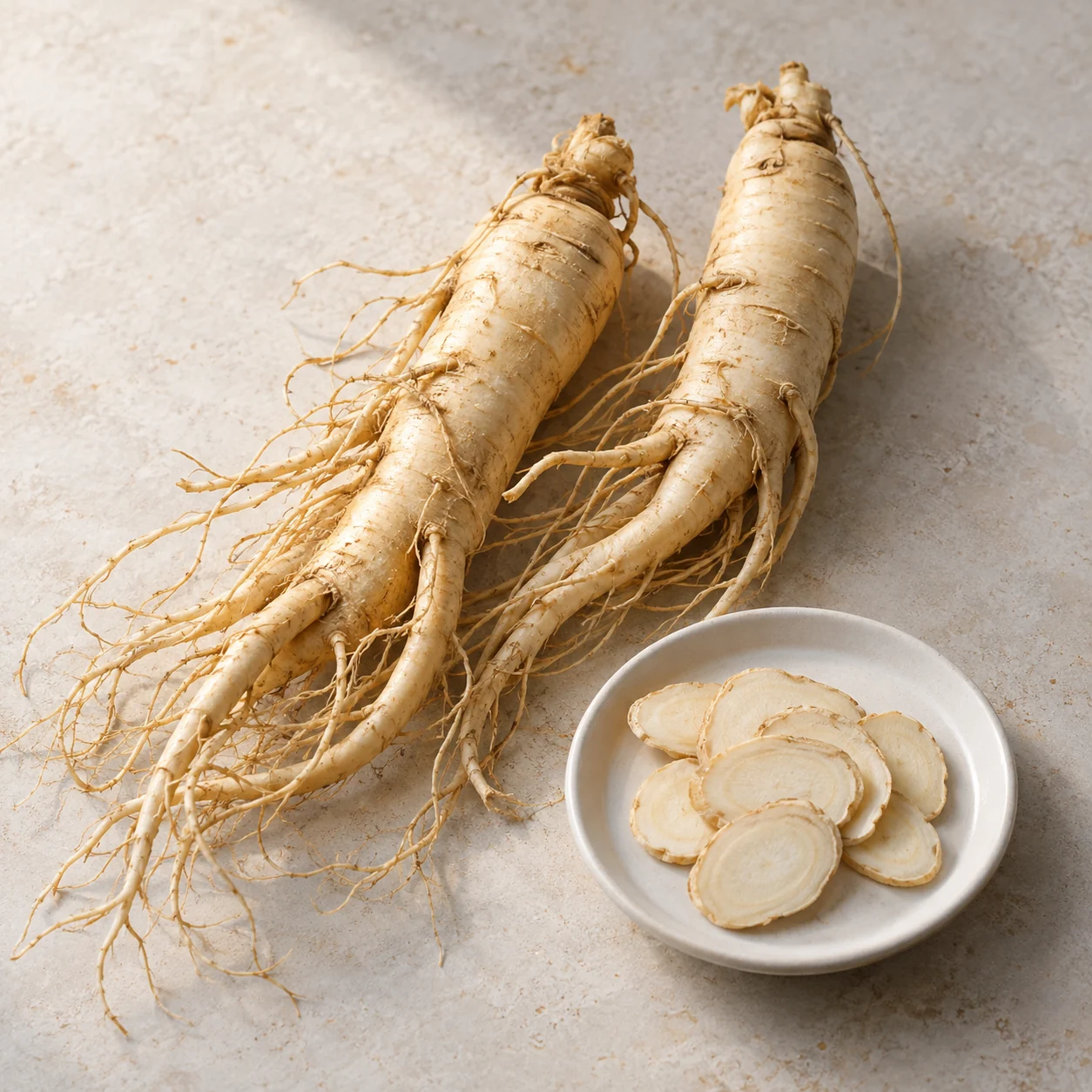
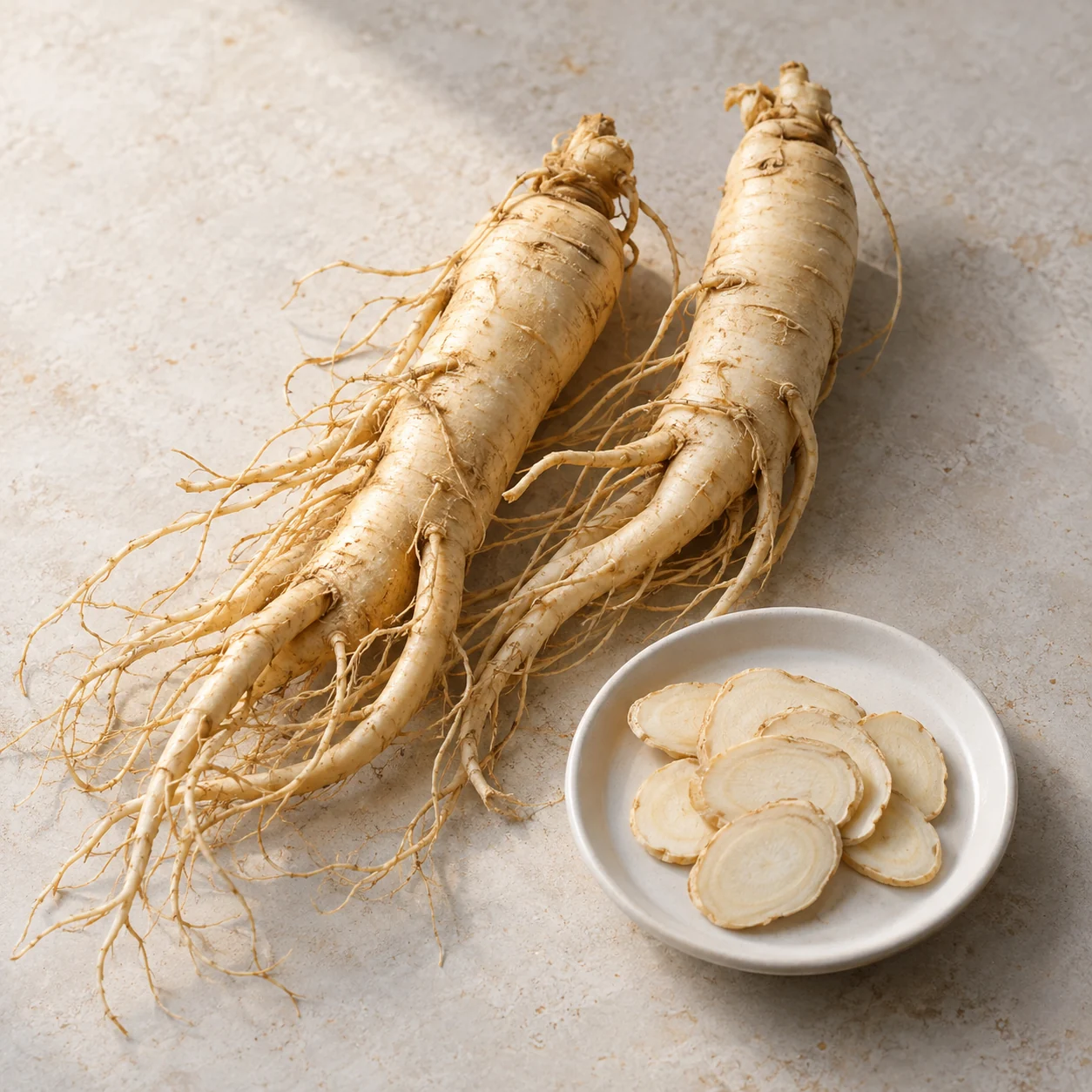
Ginseng
A root whose name holds many distinctions. Explore Asian ginseng through cultivation, preparation and the information behind a finished product.
Read the guide →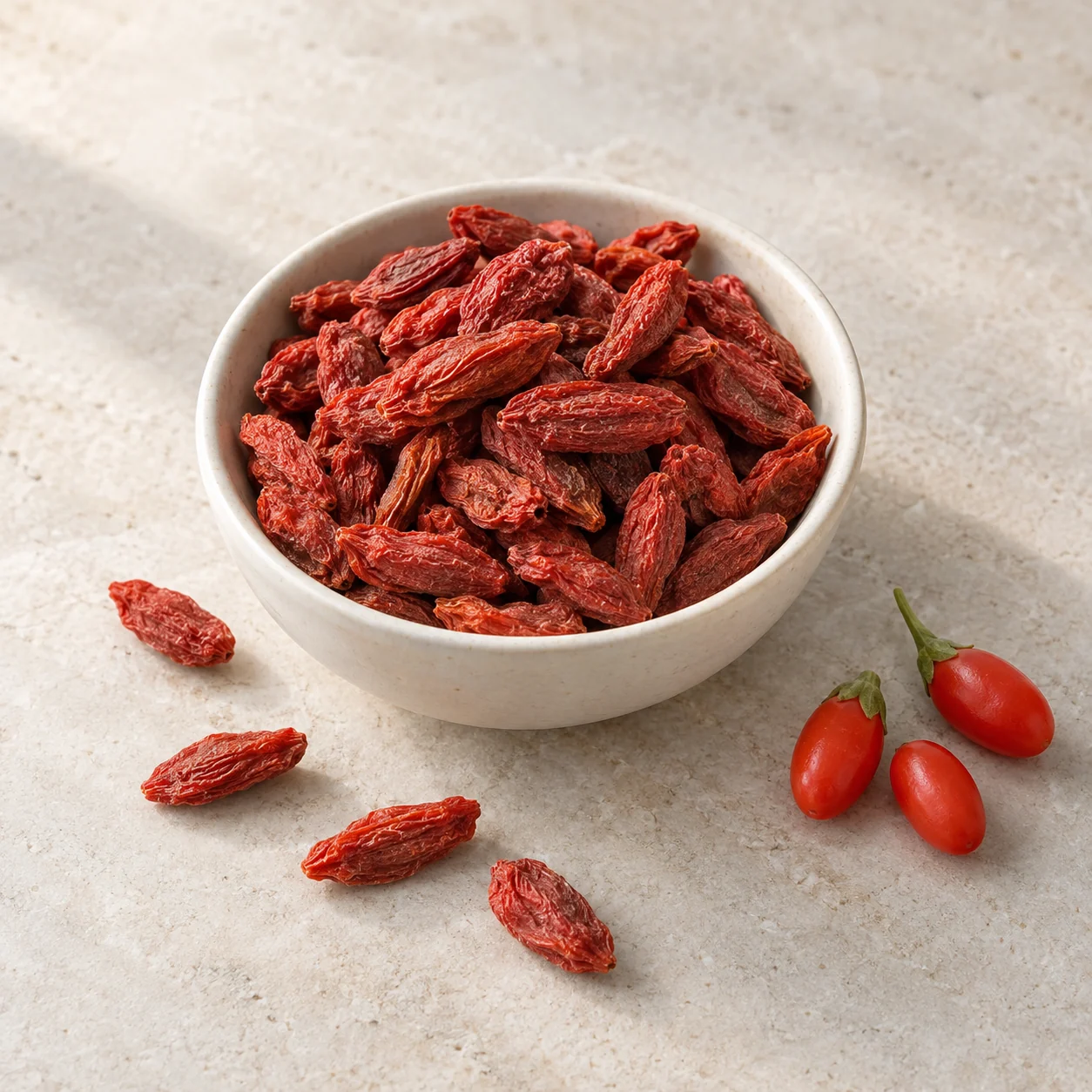
Goji
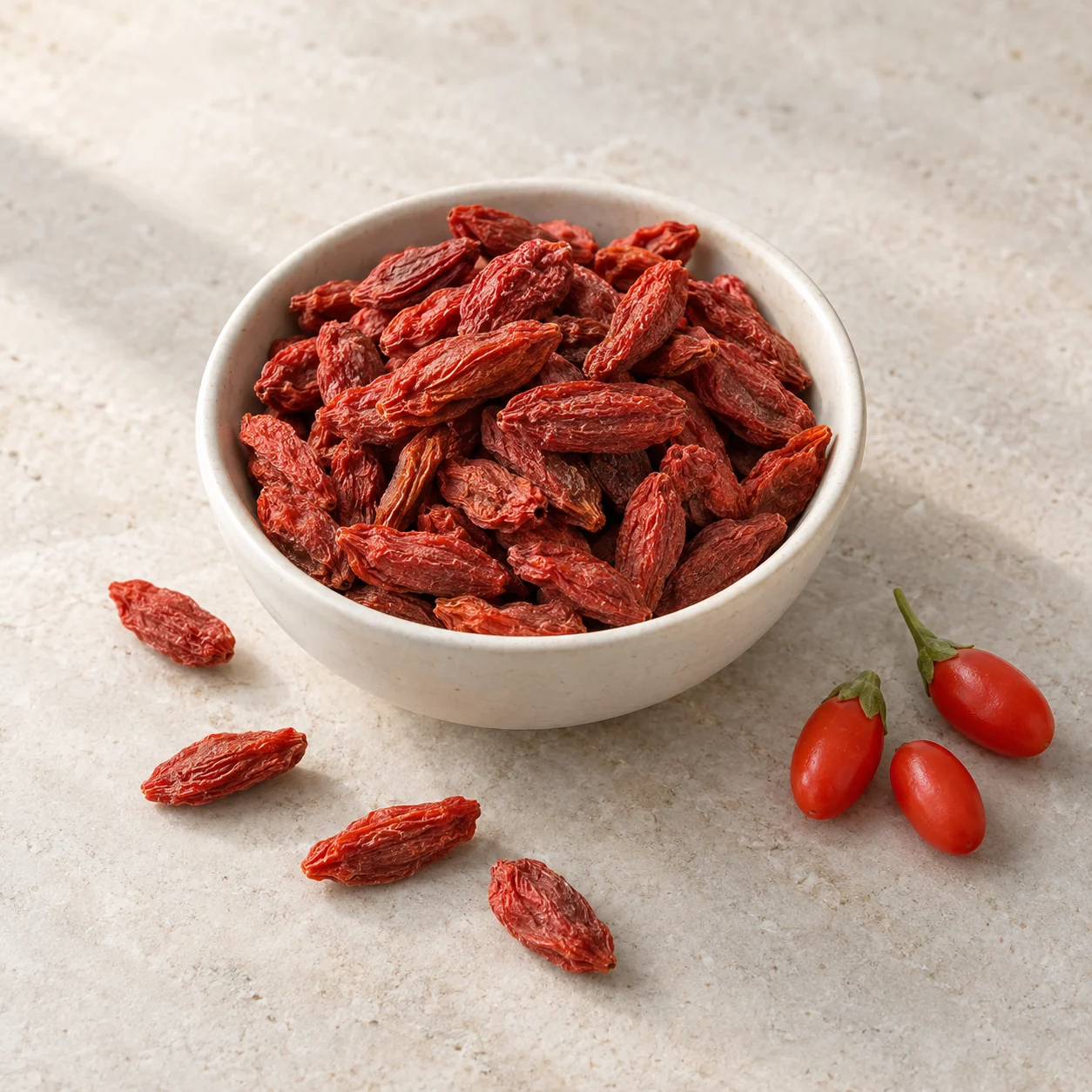
Small red berries with a familiar place in soups, drinks and pantry jars. Start with the fruit and the format you have.
Read the guide →
Hawthorn
Shan zha: a fruit encountered fresh, dried and in prepared foods. Begin with the named fruit and its format.
Read the guide →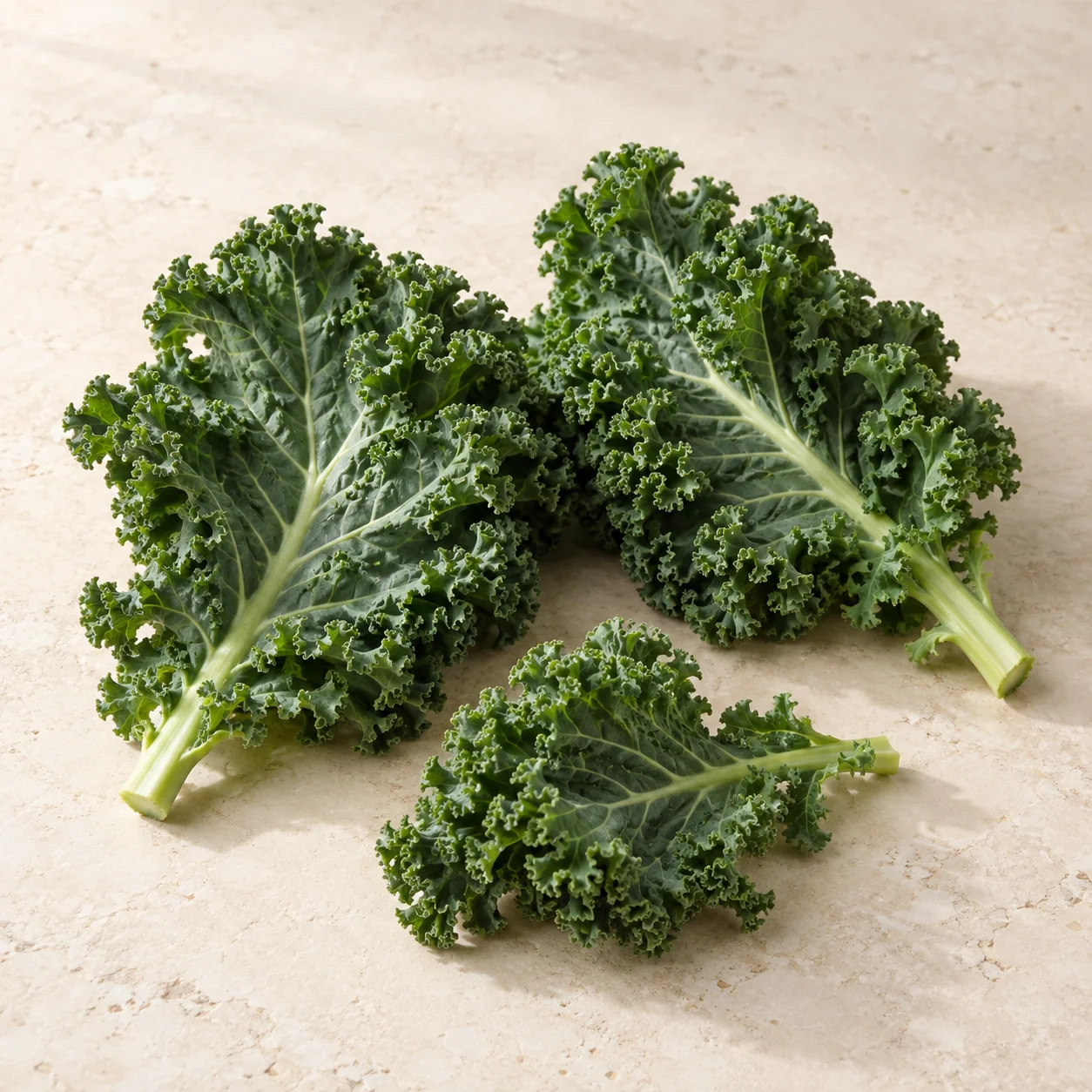
Kale
Leafy greens with a textured leaf and a distinct green flavour. Preparation changes the texture and intensity.
Read the guide →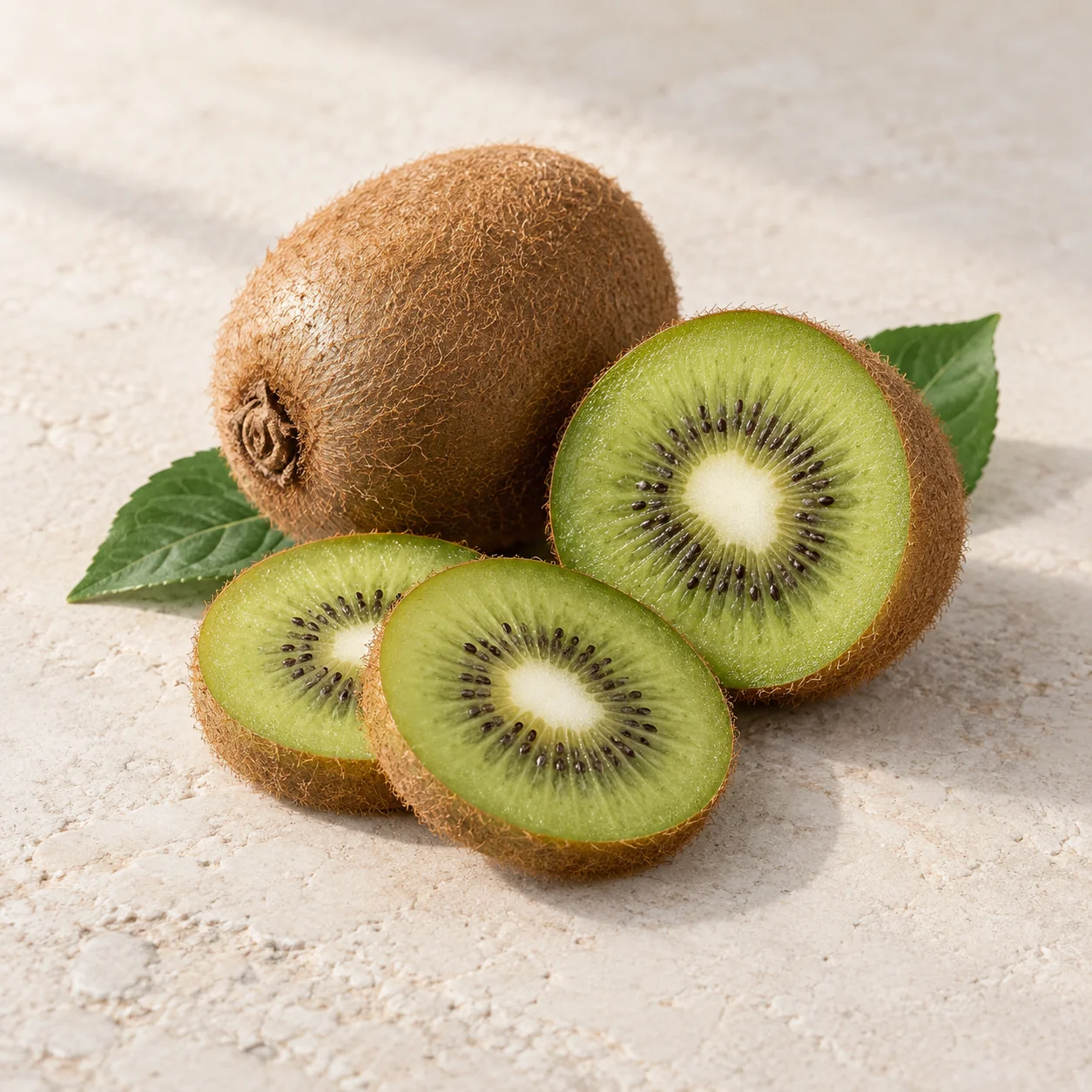
Kiwi
Juicy flesh, tiny seeds and a balance of sweetness and tartness. Ripeness changes the texture.
Read the guide →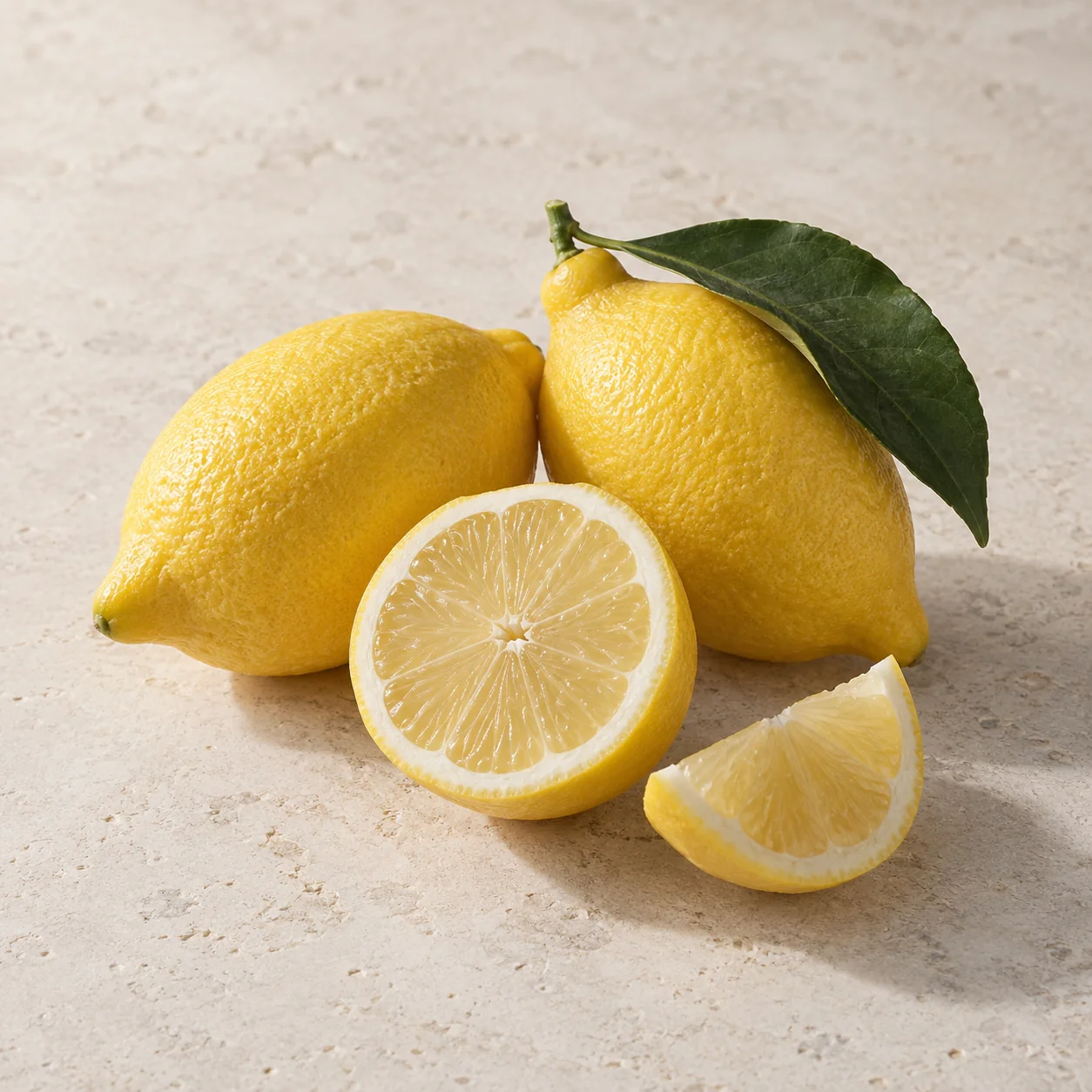
Lemon
Bright citrus aroma and a distinctly tart juice. A small addition can change the flavour of a dish or drink.
Read the guide →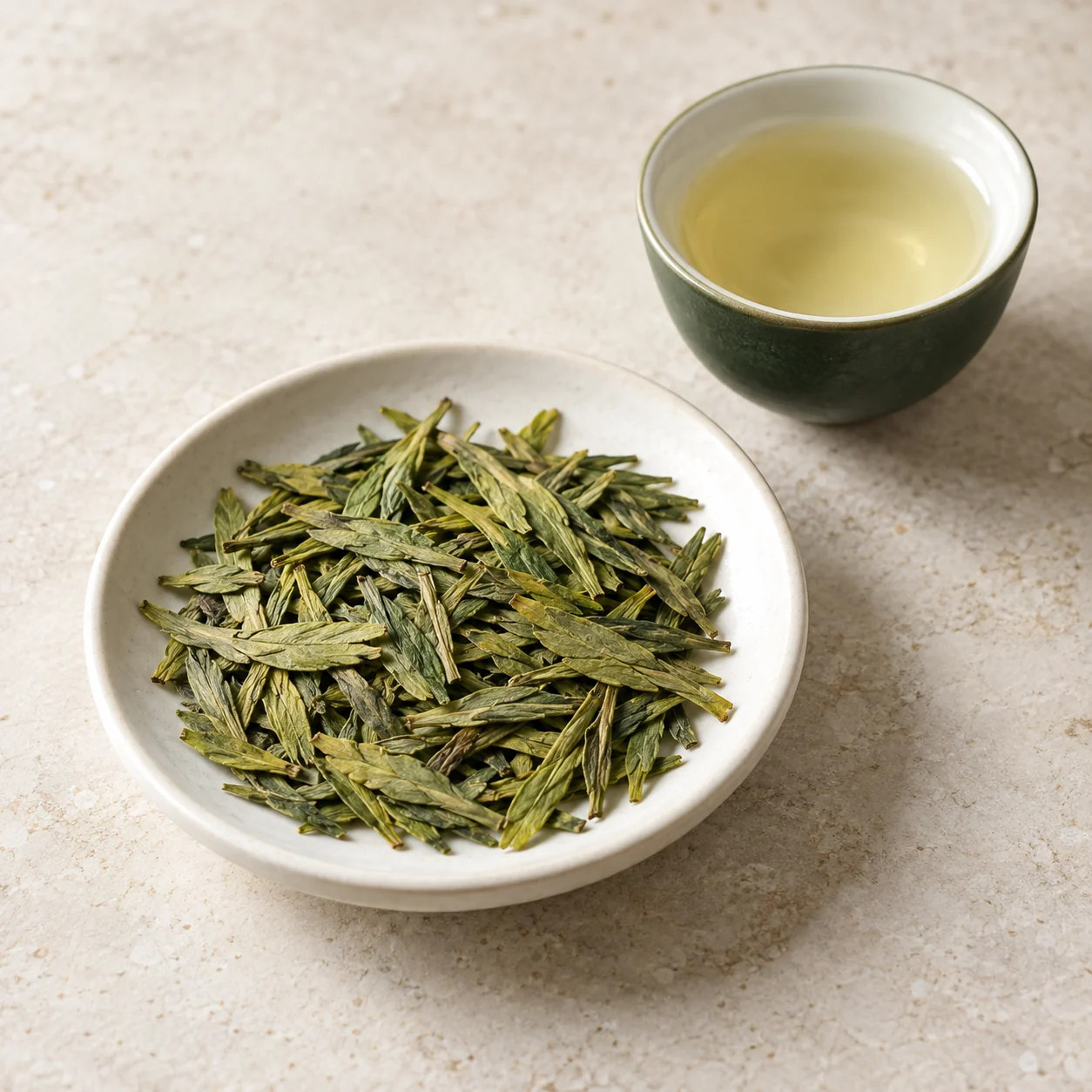
Longjing Tea
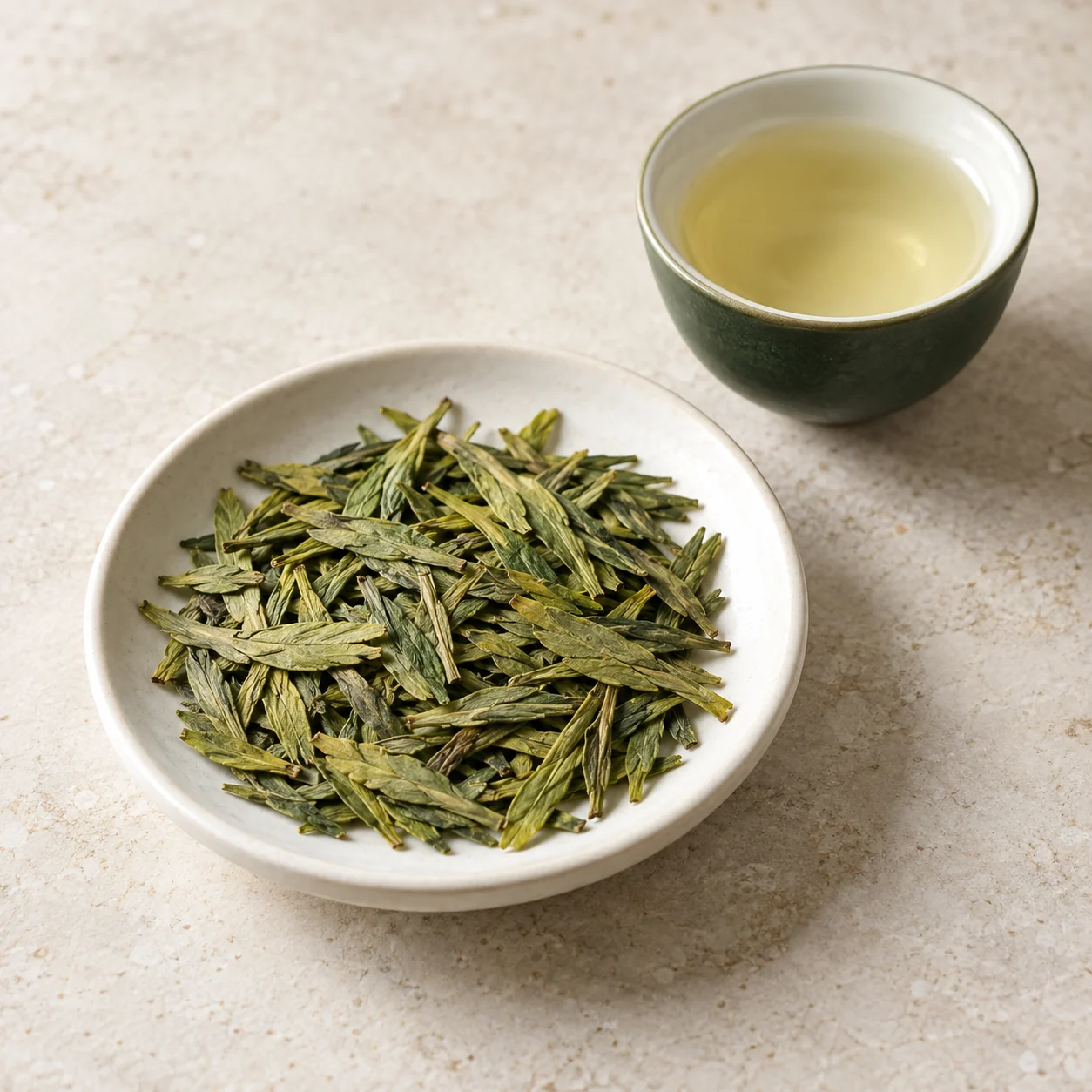
Flat green leaves shaped through pan processing. Explore Longjing with attention to the maker, the growing place and the cup.
Read the guide →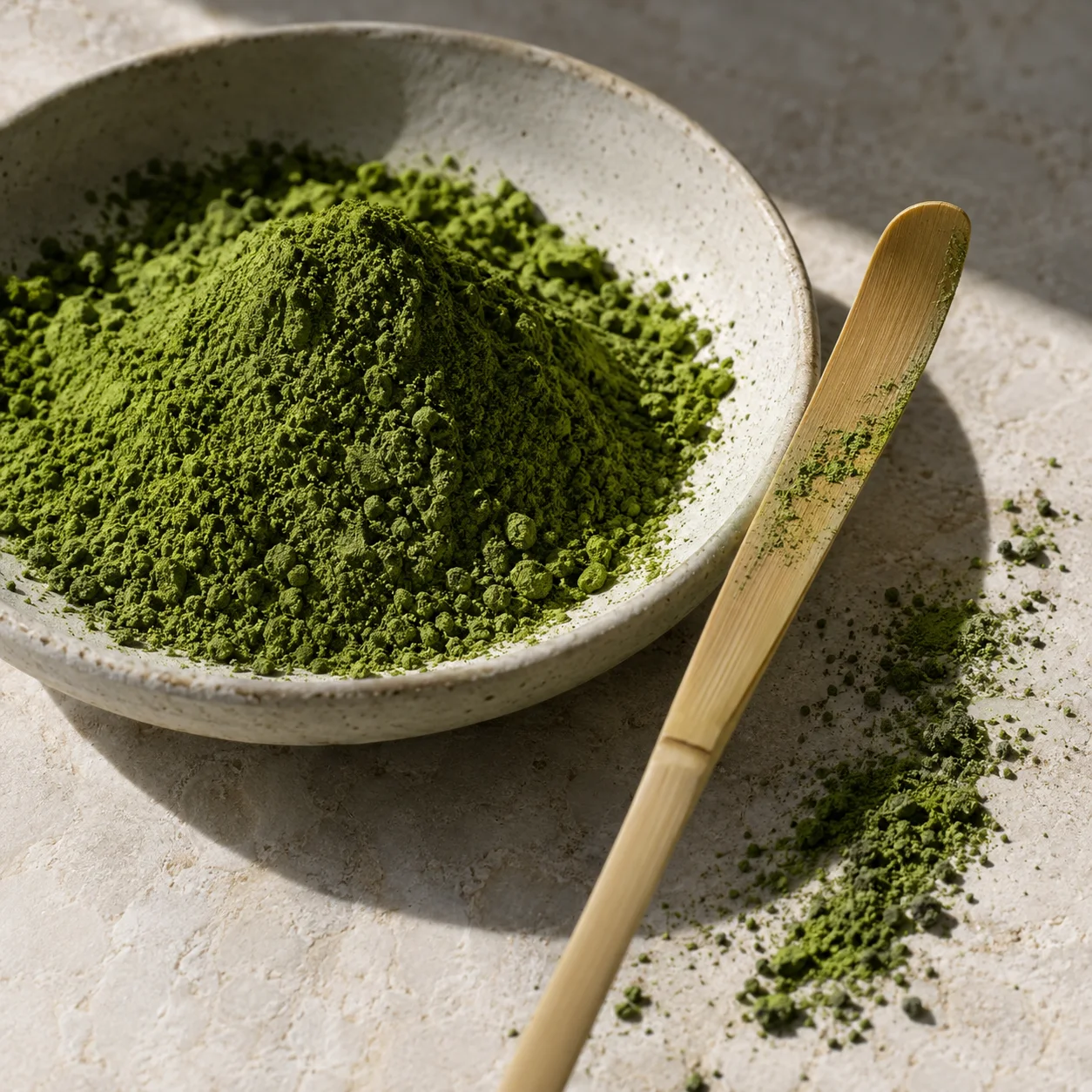
Matcha
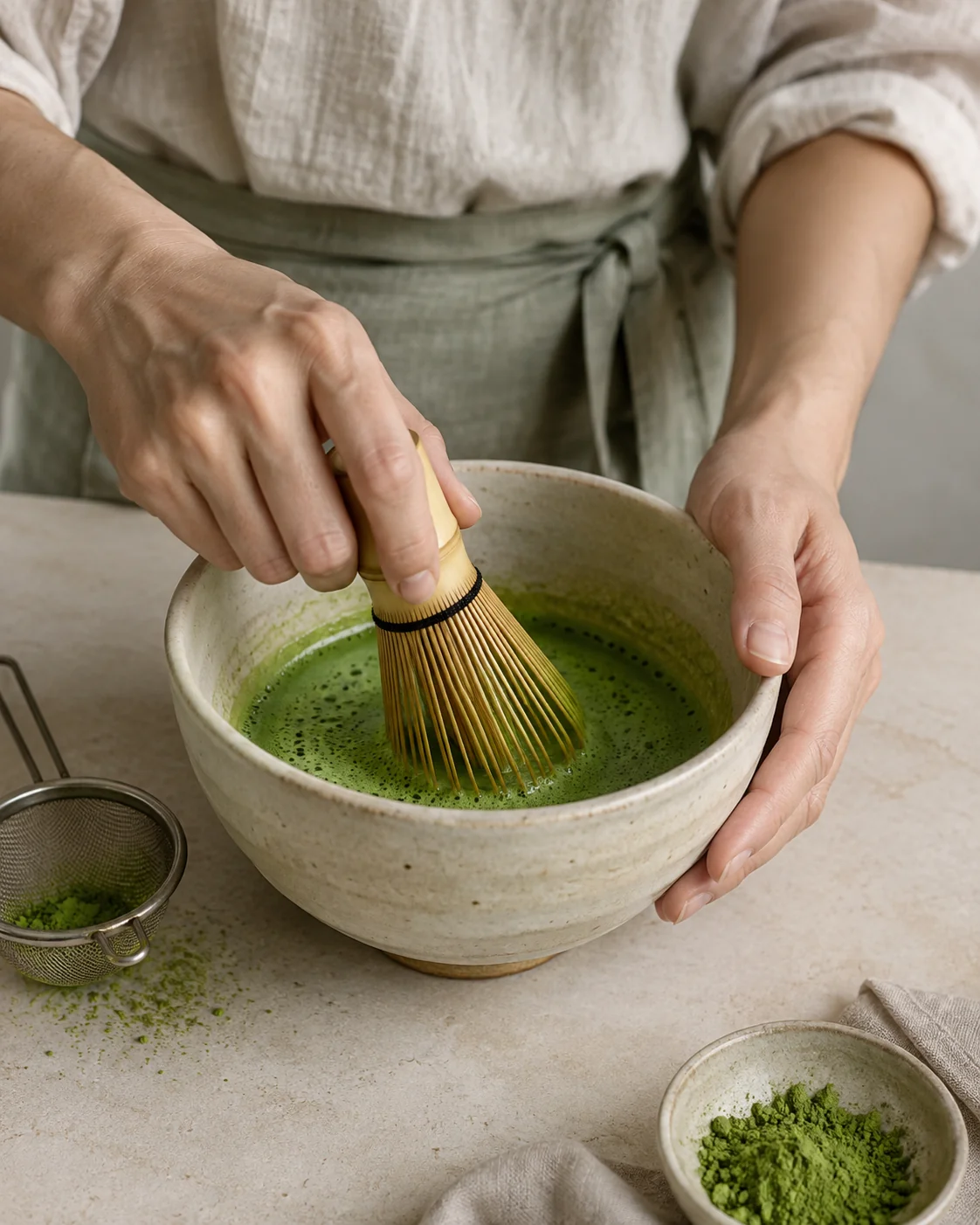
Grassy, savoury and sometimes gently bitter. Matcha brings a distinct green-tea character to drinks and food.
Read the guide →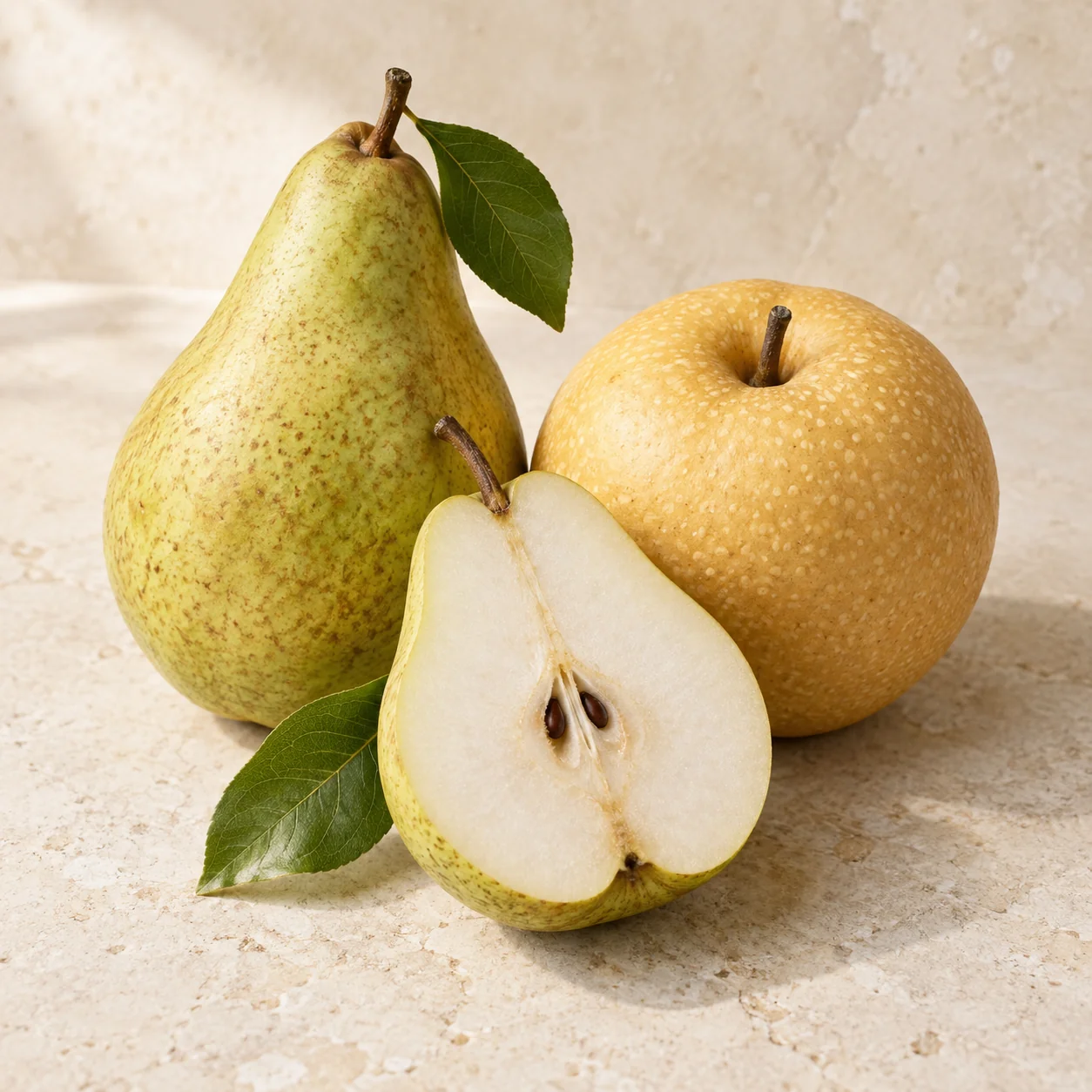
Pear
Gentle sweetness with textures from crisp to tender. Get to know the pear variety before choosing how to enjoy it.
Read the guide →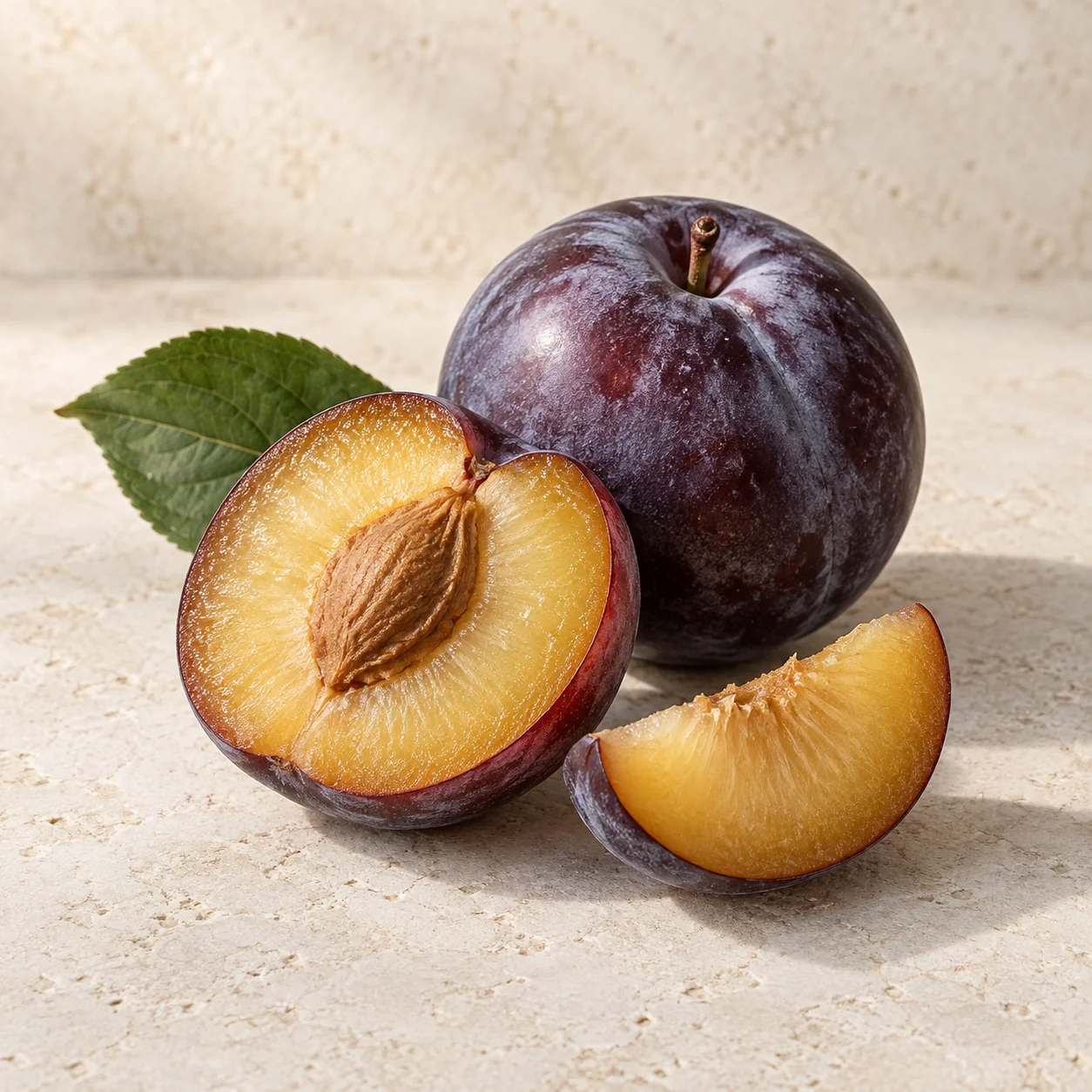
Plum
Juicy flesh, smooth skin and a balance of sweetness and acidity. Discover plums fresh, gently cooked or in a prepared fruit blend.
Read the guide →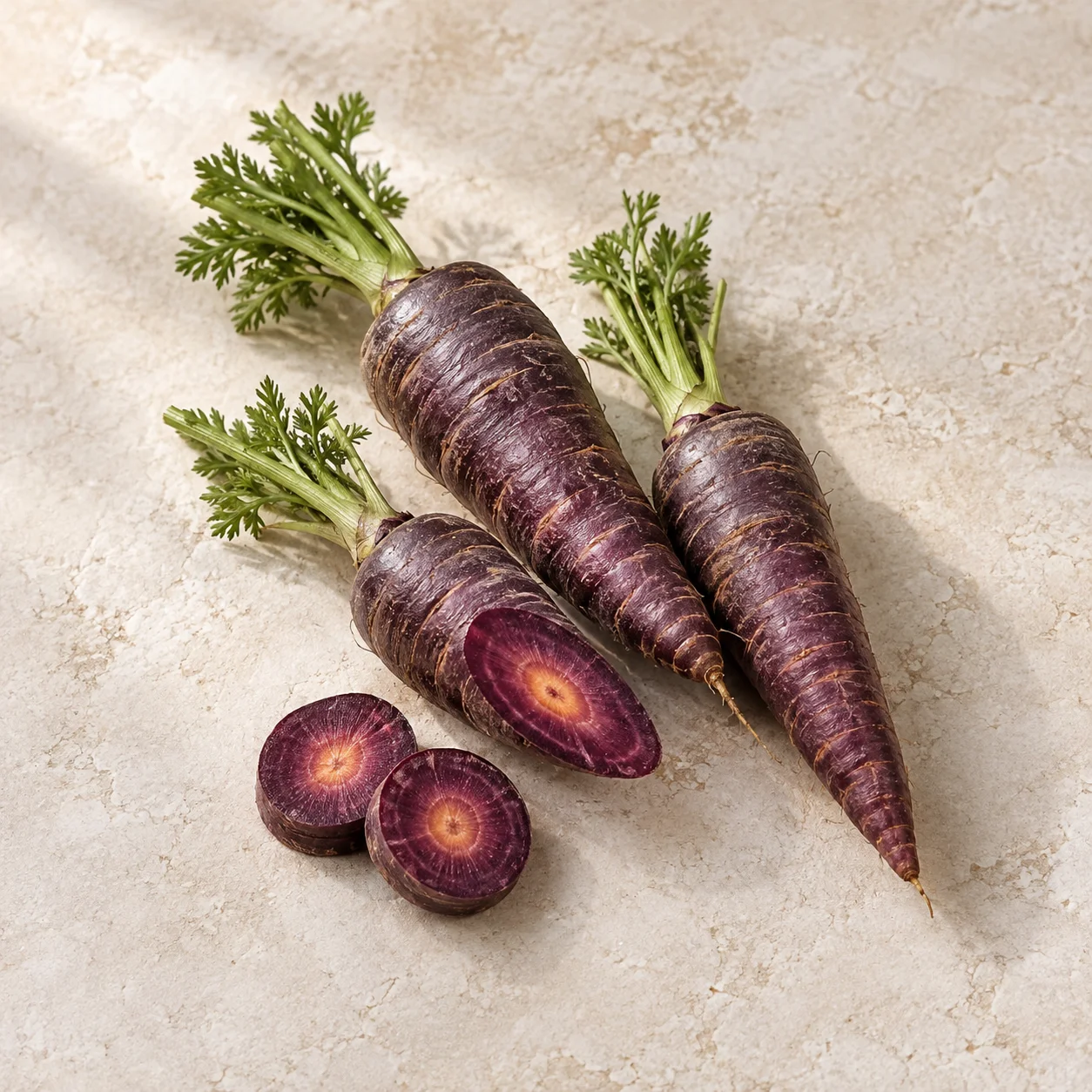
Purple Carrot
A colourful carrot with a crisp texture and a gently sweet, earthy character. The colour inside varies by variety.
Read the guide →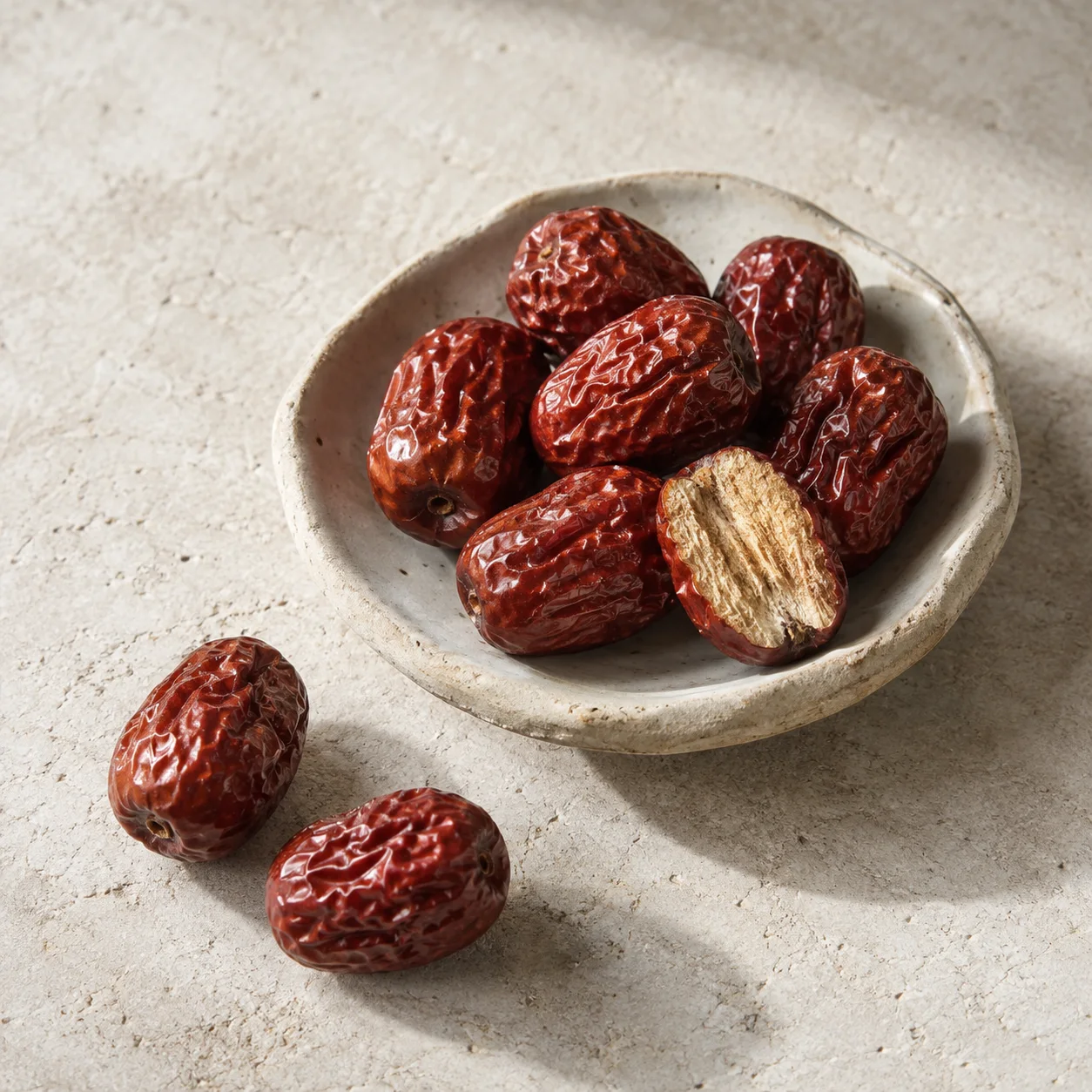
Red Date
Dried red dates have a chewy texture and a mellow sweetness. You may meet them in infusions, soups and snacks.
Read the guide →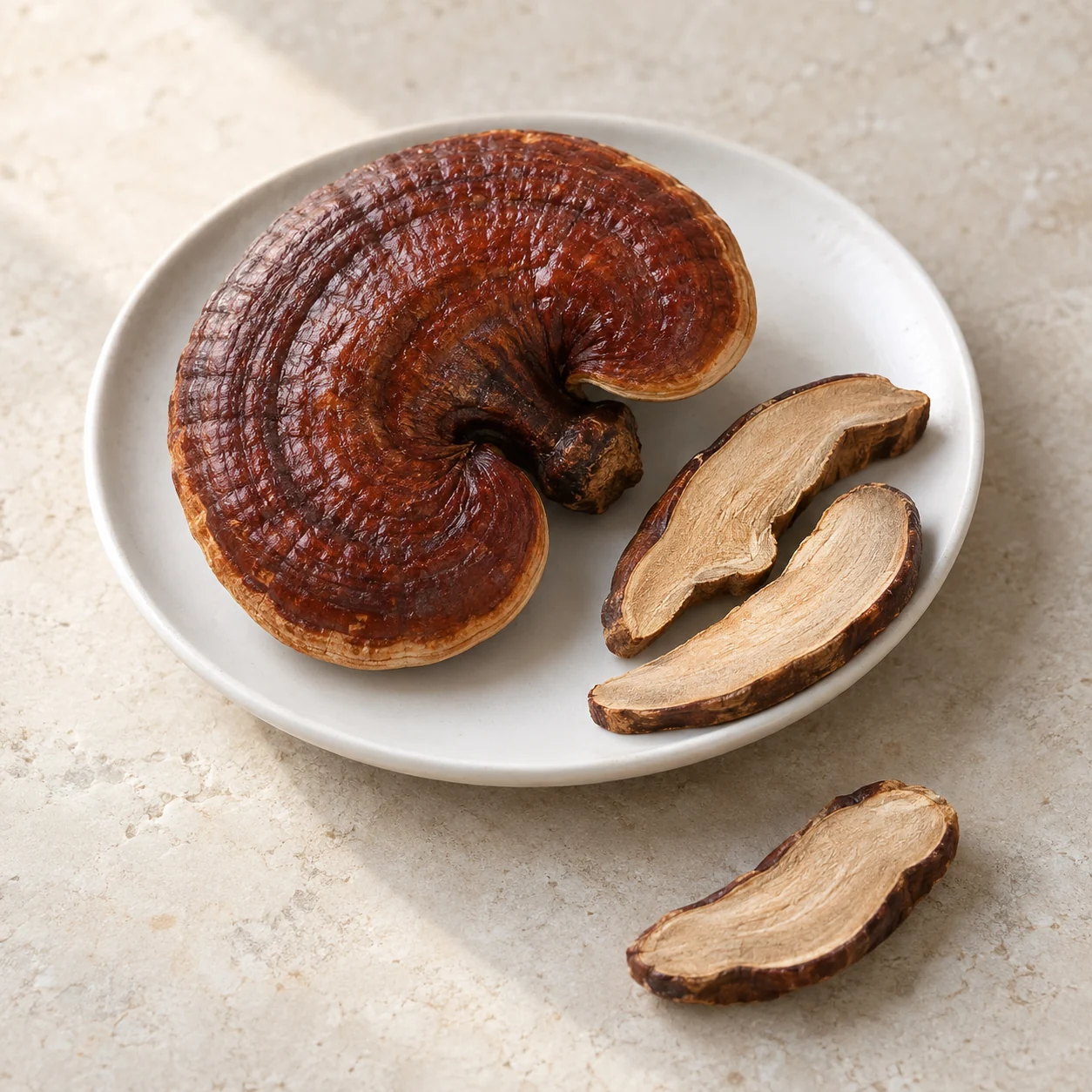
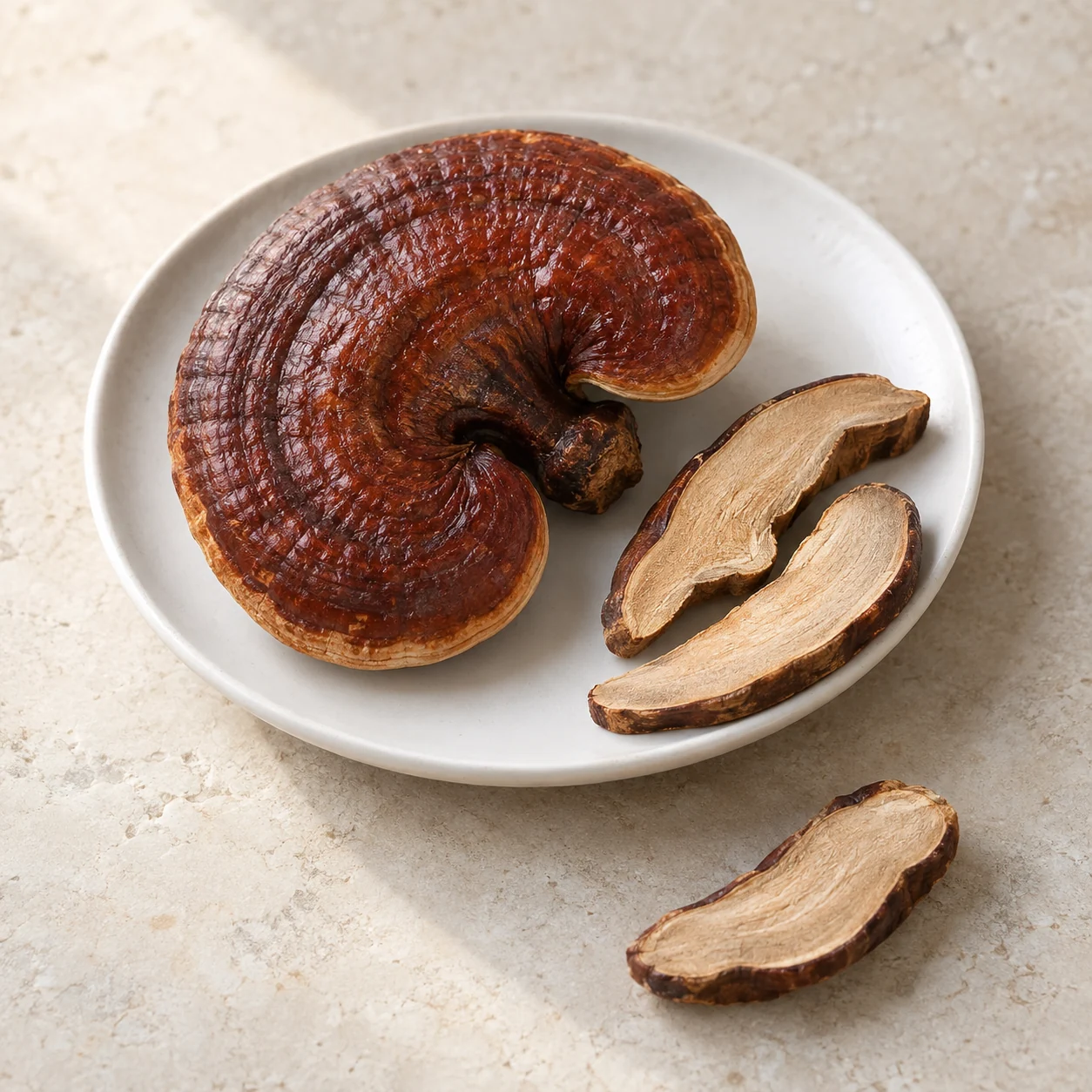
Reishi
Also known as lingzhi. A distinctive fungus with a long cultural presence, encountered today in several very different prepared forms.
Read the guide →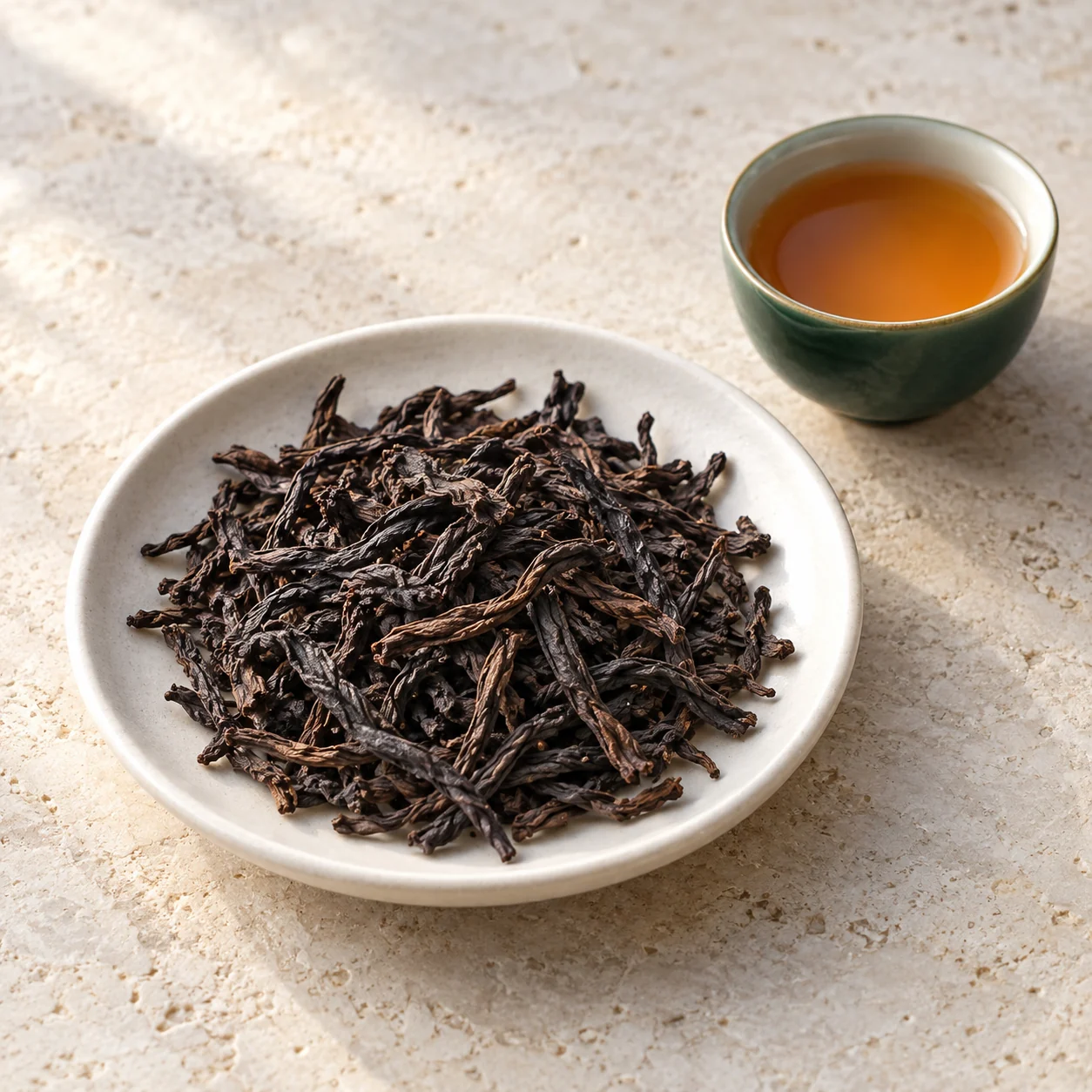
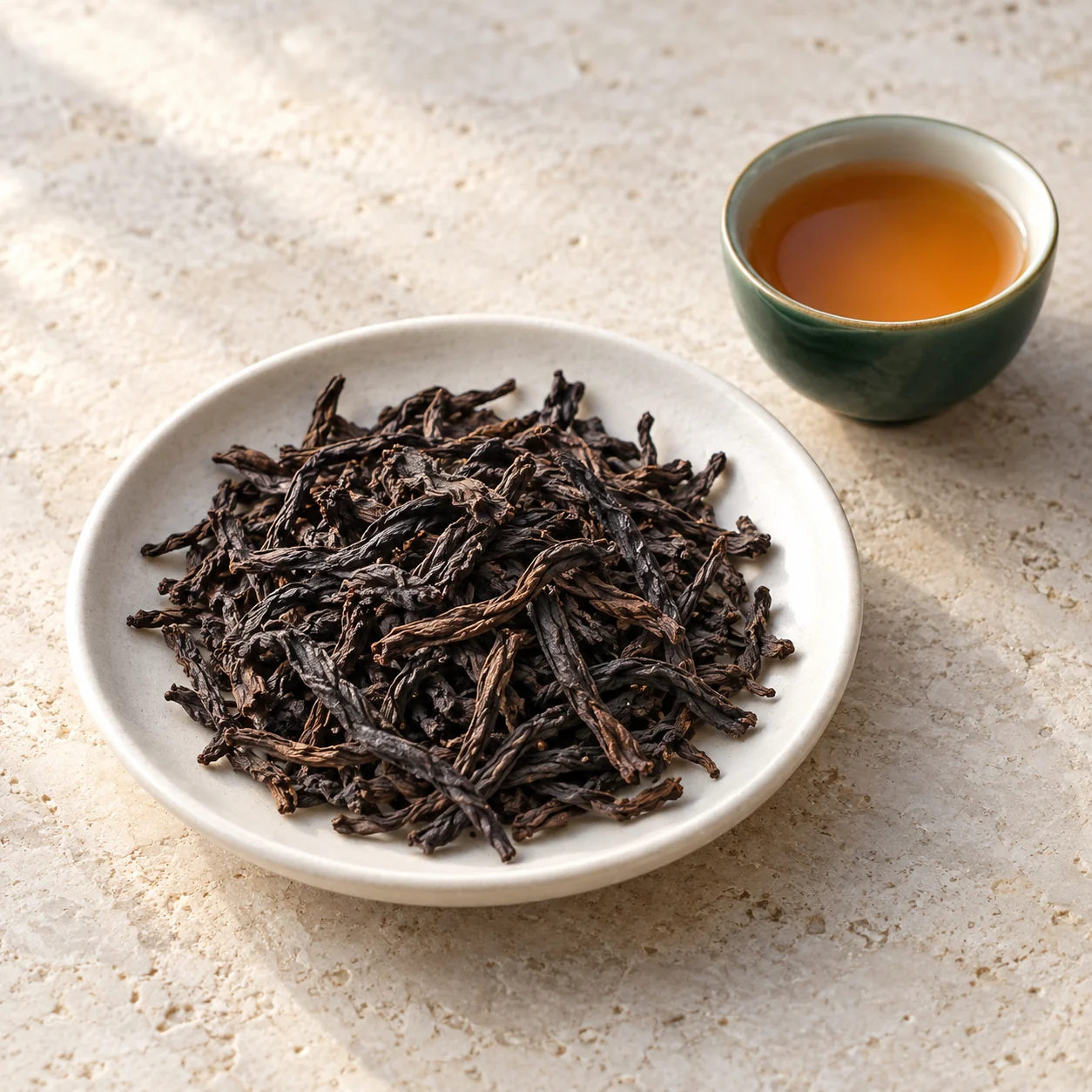
Rock Tea
An oolong tradition associated with Wuyi. Explore the leaf, the roast and the maker's choices behind each cup.
Read the guide →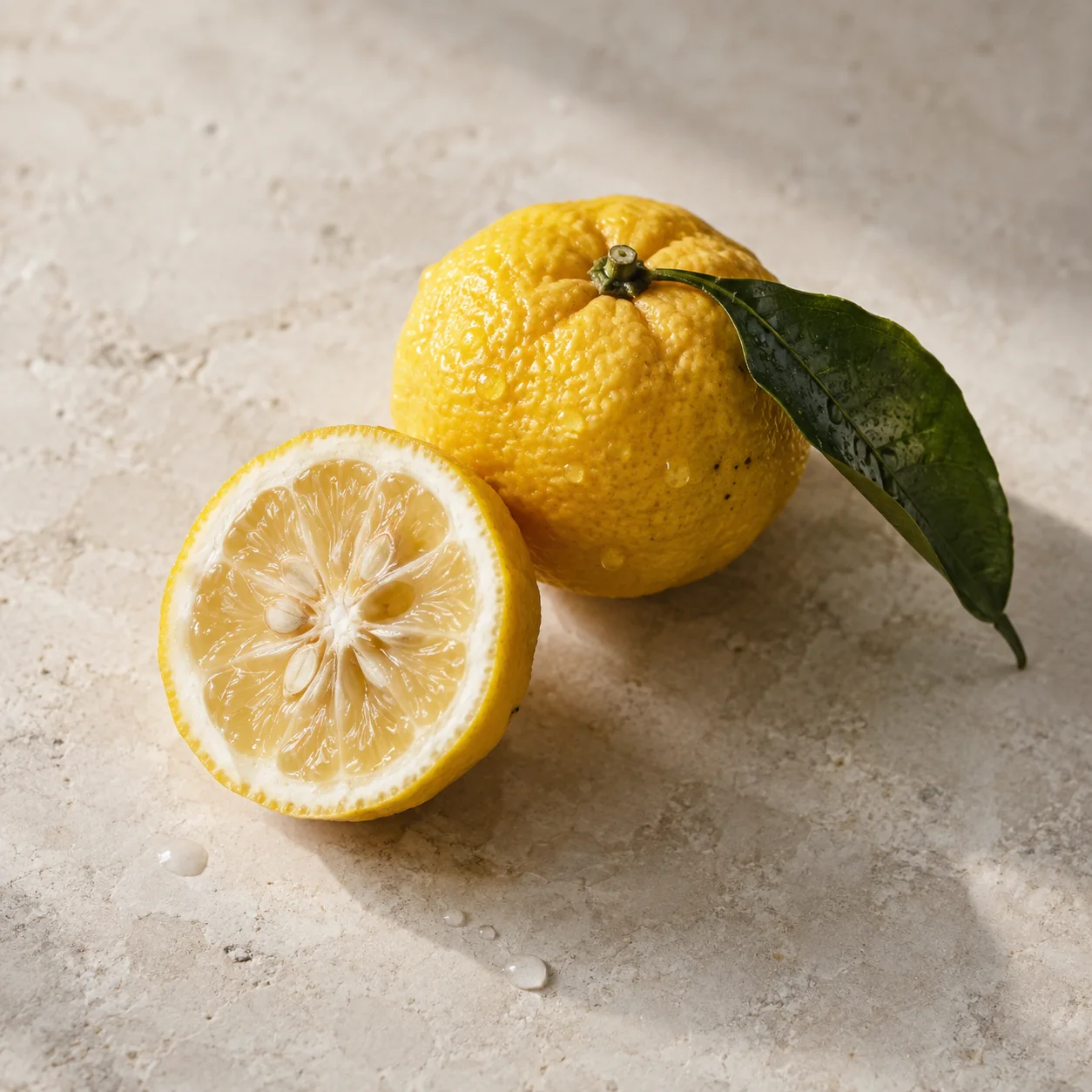
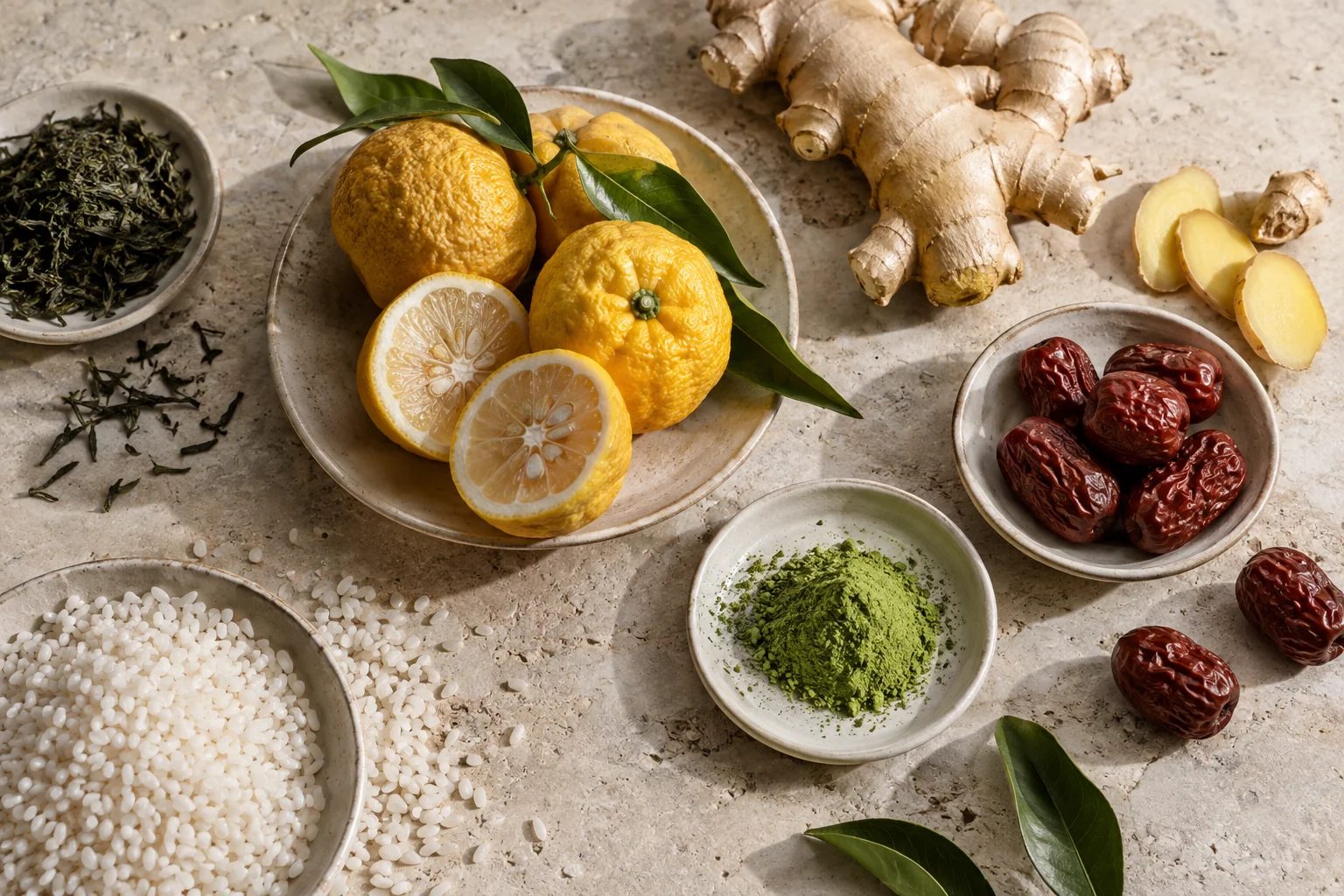
Yuzu
A fragrant citrus used for its juice, peel and aroma. It can bring a tart, aromatic note to drinks, dressings and preserves.
Read the guide →